
Shark Tank season 2 episode 4 (often referred to as S02E04) originally aired on April 8, 2011, featuring another group of entrepreneurs entering the Tank to pitch their businesses to the panel of investors.
In this episode, founders present a variety of products ranging from a travel accessory that converts carry-on luggage into a child seat, to a premium beef jerky brand inspired by a traditional family recipe, a country-inspired lifestyle apparel company, and a minimalist rubber band designed to function as a simple wallet or money clip.
Shark Tank Season 2 Episode 4 highlights how entrepreneurs often bring simple everyday products into the Tank hoping to turn small ideas into scalable businesses. The episode features travel innovations, specialty food products, lifestyle apparel branding, and minimalist consumer inventions, demonstrating the wide variety of ideas founders pitch to the Sharks.
If you’re looking for a full pitch recap of Shark Tank Season 2 Episode 4, including the companies featured and Shark negotiations, and business updates, you’ll find everything you need below.
Looking for more from this season? Browse the complete Shark Tank Season 2 episode guide for a full breakdown of every pitch and investment. For a ranked look at the biggest deals and most successful companies, explore the Best of Shark Tank Season 2 – Top Deals, Biggest Investments & Most Successful Companies.
About Shark Tank Season 2
Executive producer Mark Burnett and Sony Pictures Television return with another exciting season of Shark Tank, the hit business reality show where entrepreneurs pitch their ideas to a panel of wealthy investors known as the “Sharks.” Contestants must convince the Sharks that their businesses are worth investing in, often leading to intense negotiations and high-stakes deals.
The show is based on the international format Dragons’ Den, which originally launched in Japan and later became a global franchise. Over the years, Shark Tank has helped launch hundreds of companies while giving viewers a behind-the-scenes look at how real investment decisions are made.
Browse All Shark Tank Season 2 Episodes
Each recap includes the entrepreneurs, deals made in the Tank, and 2026 business updates.
Shark Tank Season 2 Episode Guide
Explore every pitch, deal, and business update from Shark Tank Season 2.
Disclosure: As an Amazon Associate, we earn from qualifying purchases. This helps support the site at no additional cost to you.
Shark Tank Season 2 – Shark Panel Overview
During Shark Tank Season 2, the regular panel of investors consisted of Kevin Harrington, Daymond John, Kevin O’Leary, Barbara Corcoran, and Robert Herjavec, who appeared in most episodes of the season.
Season 2 also introduced guest Sharks, including Mark Cuban and Jeff Foxworthy. Mark Cuban appeared in several episodes during this season and later became a permanent Shark starting in Season 3.
Sharks in Shark Tank Season 2
The main Sharks appearing during Shark Tank Season 2 Episode 4 included:
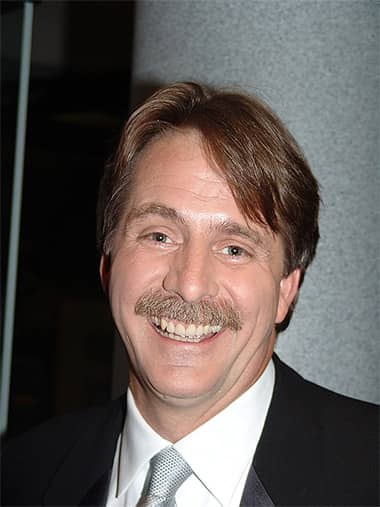
In season 2 episode 4, the guest judge is Jeff Foxworthy.
Jeff Foxworthy
Jeffrey Marshall Foxworthy is an American comedian, actor, writer, producer, television personality, radio personality and author.
Foxworthy launched a website Foxworthy Outdoors, which specialized in carrying an assortment of Foxworthy-brand outdoor and hunting products.
Foxworthy has released a cookbook entitled The Redneck Grill and he also has authored his autobiography as well as several books.
Jeffrey Marshall Foxworthy is an American comedian, radio personality, actor, producer, writer, television personality, and author.
Source: Wikipedia
You may also like
Shark Tank Season 8
You can always go down the road if you’re willing to make the journey. It just might be a little longer.
Robert Herjavec
We listed below every entrepreneur and business who has appeared on Shark Tank Season 2 Episode 4. Unfortunately, there are many scammers who claim they have been on the show or they have received investments from the Sharks. They were not actually on Shark Tank if you don’t see a business on this list. Some of the top places you can use to check are on Wikipedia and also ABC’s episode guide.
What Happened in Shark Tank Season 2 Episode 4?
Shark Tank Season 2 Episode 4 featured four entrepreneurs pitching innovative consumer products and lifestyle brands to the Sharks.
The businesses ranged from a travel accessory designed to convert luggage into a child seat for easier airport travel to a premium beef jerky brand based on a traditional family recipe. Other pitches included a lifestyle apparel company inspired by rural culture and country music fans, along with a minimalist rubber band product designed to function as a simple wallet or money clip.
As the entrepreneurs presented their ideas, the Sharks carefully evaluated each business, questioning the founders about sales performance, manufacturing costs, profit margins, distribution strategies, and long-term scalability.
The episode is notable because it featured a mix of travel accessories, food products, apparel brands, and simple consumer inventions, giving the Sharks a variety of business models to evaluate.
Businesses Featured on Shark Tank S02E04
List with all the appearances in Season 2 Episode 4 (S02E04):
Here is the complete list of companies that appeared on Shark Tank Season 2 Episode 4.
- Ride-On Carry-On – Child Seat Meets Luggage – A travel accessory that attaches to carry-on luggage and converts it into a child seat, allowing parents to transport young children through airports without needing a stroller.
- Uncle Zip’s Beef Jerky – A premium beef jerky brand made using a traditional family recipe with no preservatives or chemical additives.
- Hillbilly Brand – A lifestyle clothing company selling apparel inspired by country music culture, outdoor lifestyles, and humorous rural-themed slogans.
- Broccoli Wad – A minimalist rubber band designed to function as a simple wallet or money clip for holding cash and credit cards.
Shark Tank S02E04 Highlights
• 4 entrepreneurs pitched their businesses
• The episode featured products across multiple consumer industries
• Founders faced tough questions about market size, distribution, and scalability
• The Sharks evaluated both lifestyle brands and practical everyday inventions
Entrepreneurs were challenged on whether their products could grow beyond niche markets and scale into larger consumer brands.
Shark Tank S02E04 Episode Products Summary Table
One entrepreneur appearing on Shark Tank Season 2 Episode 4 secured a deal during negotiations in the Tank, while the remaining founders left without an investment.
| Company | Industry | Ask | Deal | Shark(s) | 2026 Status |
|---|---|---|---|---|---|
| Ride-On Carry-On | Travel accessories | $50K for 25% | No Deal | — | Concept seen in similar travel products |
| Uncle Zip’s Beef Jerky | Food / snacks | $25K for 20% | No Deal | — | Limited public activity |
| Hillbilly Brand | Lifestyle apparel | $50K for 25% | No Deal | — | Limited brand visibility |
| Broccoli Wad | Consumer accessories | $50K for 20% | $50K for 40% | Kevin O’Leary /It fell through/ | Discontinued |
Shark Tank Season 2 Episode 4 Snapshot
Season: 2
Episode: 4
Air Date: April 8, 2011
Sharks:
- Kevin Harrington
- Kevin O’Leary
- Barbara Corcoran
- Robert Herjavec
- Daymond John
Guest Shark:
- Jeff Foxworthy
- Total Pitches: 4
- Deals Made: 1
- No-Deal Count: 3
- Largest Investment: $50K (Broccoli Wad)
Shark Tank Season 2 Episode 4 Investment Totals & Financial Breakdown
Shark Tank Season 2 Episode 4 (S02E04) featured approximately $175,000 requested in capital, with $50,000 invested on air.
Financial Aggregation
Total Capital Requested: ~$175,000
Total Capital Invested: $50K
Total Capital Committed: $50K
Highest Equity Given: 40% (Broccoli Wad)
Highest Valuation Asked: ~$250K valuation (Ride-On Carry-On – $50K for 20%)
Lowest Valuation Asked: ~$125K valuation (Uncle Zip’s Beef Jerky – $25K for 20%)
Average Equity Asked: ~23%
Valuation Compression Analysis
Shark Tank Season 2 Episode 4 demonstrated how the Sharks often scrutinize consumer products that solve niche problems or operate in highly competitive industries.
• Broccoli Wad, a minimalist rubber band designed to function as a wallet or money clip, secured a deal with Kevin O’Leary after negotiations led to a larger equity stake than the entrepreneur originally requested.
• Ride-On Carry-On, a travel accessory designed to convert carry-on luggage into a child seat, addressed a common challenge faced by parents traveling through airports. However, the Sharks questioned whether the product could scale into a large retail category.
• Uncle Zip’s Beef Jerky, a premium jerky brand made without preservatives or additives, attracted interest due to its traditional recipe and natural ingredients. The Sharks raised concerns about the intense competition and distribution challenges in the food industry.
• Hillbilly Brand, a lifestyle clothing company inspired by country culture and outdoor lifestyles, attempted to build a niche apparel brand. However, the Sharks were skeptical about whether the company could compete in the crowded clothing market without significant marketing investment.
Ultimately, one deal was made during the episode, when Broccoli Wad secured a $50,000 investment from Kevin O’Leary.
Key Observations
- Minimalist consumer inventions appeared in the Tank – Broccoli Wad introduced a simple rubber band product designed to replace bulky wallets.
- Travel convenience products gained attention – Ride-On Carry-On attempted to solve a common problem faced by families traveling with small children.
- Food brands continued to appear in the Tank – Uncle Zip’s Beef Jerky highlighted the challenges small food companies face when competing in established snack markets.
- Lifestyle apparel brands targeted niche audiences – Hillbilly Brand attempted to build a clothing brand around rural culture and country lifestyle themes.
Shark Tank Air Date: 04/08/11 – Season 2 – Episode 4
Ride-On Carry-On – Child Seat Meets Luggage
| ASKED FOR | GOT | SHARK |
| $50,000 for 25% | NO DEAL | NO SHARK |
Entrepreneurs: Randy and Darryl Lenz
Product Overview
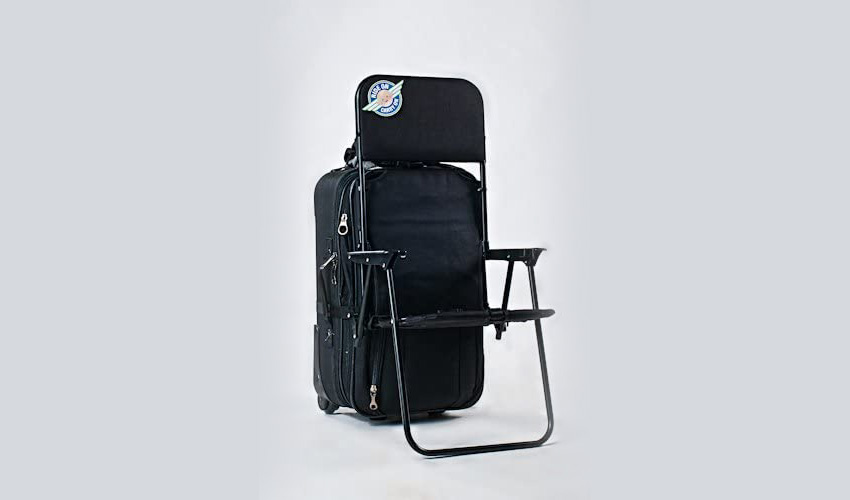
Ride-On Carry-On is a children’s travel seat that attaches to standard carry-on luggage, instantly converting the suitcase into a compact travel stroller.
The product was designed by a flight attendant mom who understood the challenges parents face when traveling with small children through busy airports.
Ride-On Carry-On allows a child to sit securely on top of a suitcase while the parent pulls the luggage, eliminating the need to bring a bulky stroller through security checkpoints and airport terminals.
The entrepreneur entered the Shark Tank seeking $50,000 in exchange for a 25% equity stake in the company.
Key Features of Ride-On Carry-On
Ride-On Carry-On was designed to make traveling with children easier and more convenient.
Key features included:
• A child seat that attaches to luggage in seconds
• Compatible with most carry-on suitcases between 18–22 inches tall
• Allows parents to transport children through airports without a stroller
• Durable and washable fabric seat designed for travel use
• A secure seating system to safely hold the child while moving
The product aimed to solve a common problem for families traveling with young children — managing luggage, strollers, and tired kids at the same time.
Why the Sharks Passed
Although the Sharks appreciated the practicality of the product, they raised concerns about several issues:
• The niche nature of the travel accessory market
• Potential liability concerns involving child safety products
• Challenges associated with large-scale manufacturing and distribution
Because of these concerns, the Sharks ultimately decided not to invest in the business.
Ride-On Carry-On – Where Are They Now? (2026 Update)
After appearing on Shark Tank Season 2 Episode 4, Ride-On Carry-On gained attention from parents looking for easier ways to travel with young children.
The concept of ride-on luggage and travel seats for children has continued to grow in popularity, with several travel brands developing similar products designed for family travel convenience.
As of 2026, the original Ride-On Carry-On product is not widely recognized as a major travel brand, but the idea helped highlight the demand for innovative family travel accessories.
Many modern travel products now incorporate similar concepts that allow children to ride on luggage or travel comfortably through airports.
Status: Product concept continues through similar travel accessories.
Uncle Zip’s Beef Jerky
| ASKED FOR | GOT | SHARK |
| $25,000 for 20% | NO DEAL | NO SHARK |
Entrepreneurs: Ken Howell
Product Overview
Uncle Zip’s Beef Jerky is a premium beef jerky brand inspired by a traditional family recipe originating in Fayetteville, North Carolina.
The product was created to offer a fresh-tasting jerky made without preservatives or chemical additives, focusing instead on natural ingredients and traditional preparation methods.
Unlike many mass-produced jerky products that rely on preservatives to extend shelf life and create a tougher texture, Uncle Zip’s Beef Jerky aimed to deliver a more natural flavor and softer texture closer to homemade jerky.
The entrepreneur entered the Shark Tank seeking $25,000 in exchange for a 20% equity stake in the company.
Key Features of Uncle Zip’s Beef Jerky
The brand focused on producing jerky with a more traditional and natural approach.
Key features included:
• Beef jerky made using a family recipe
• No preservatives or chemical additives
• A fresh taste and softer texture compared to many commercial jerky products
• A focus on small-batch production and quality ingredients
The entrepreneur emphasized that many commercial jerky products rely on preservatives and processing techniques that allow the product to remain on store shelves for long periods of time.
By contrast, Uncle Zip’s Beef Jerky was positioned as a more natural alternative.
Why the Sharks Passed
While the Sharks appreciated the taste and authenticity of the product, they raised concerns about several issues:
• The highly competitive beef jerky market
• Challenges associated with scaling food production
• Distribution difficulties for small food brands
• The need for strong retail partnerships to grow the business
Because the food industry requires significant manufacturing and distribution infrastructure, the Sharks ultimately decided not to invest.
Uncle Zip’s Beef Jerky – Where Are They Now? (2026 Update)
After appearing on Shark Tank Season 2 Episode 4, Uncle Zip’s Beef Jerky gained national exposure from the show.
The beef jerky industry has grown significantly over the past decade, with both large national brands and small specialty producers competing in the market.
However, scaling a food brand requires strong distribution networks and significant marketing investment.
As of 2026, there is limited public information suggesting that Uncle Zip’s Beef Jerky expanded into a widely recognized national brand after the show.
The product is often remembered by Shark Tank fans as a traditional, preservative-free jerky concept inspired by a family recipe.
Hillbilly Brand
| ASKED FOR | GOT | SHARK |
| $50,000 for 25% | NO DEAL | NO SHARK |
Entrepreneurs: Mike Abbaticchio and Shon Lees
Product Overview
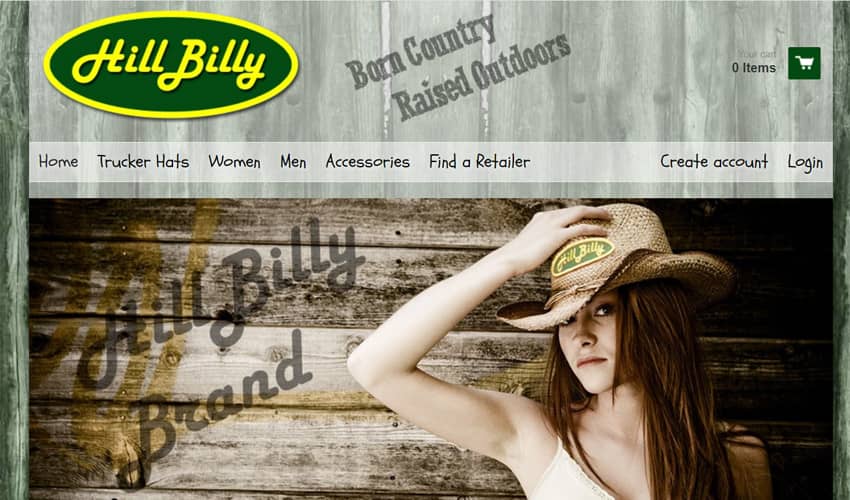
Hillbilly Brand is a lifestyle apparel company that sells clothing and merchandise inspired by country culture, hunting, and outdoor lifestyles. The brand focuses primarily on T-shirts, hats, and other casual apparel featuring humorous slogans and designs that appeal to fans of country music, rural culture, and outdoor activities.
Entrepreneurs Mike Abbaticchio and Shon Lees entered the Shark Tank seeking $50,000 in exchange for a 25% equity stake in their clothing company.
The founders hoped the investment would help them expand the brand’s reach, increase production, and grow distribution through retail stores and online sales.
Key Features of Hillbilly Brand
Hillbilly Brand attempted to build a recognizable niche clothing brand with several core elements:
• Apparel inspired by country music and rural culture
• Clothing designs appealing to outdoor and hunting enthusiasts
• Casual lifestyle branding with humorous slogans and graphics
• A brand identity aimed at consumers proud of their “hillbilly” roots
Lifestyle apparel companies often rely heavily on strong branding and community identity to build loyal customer bases.
Why the Sharks Passed
Although the brand had a clear target audience, the Sharks raised concerns about several factors:
• The highly competitive apparel industry
• The difficulty of building a large clothing brand without strong distribution
• Limited evidence that the company could scale nationally
Without strong retail partnerships or proven large-scale demand, the Sharks ultimately decided not to invest.
Hillbilly Brand – Where Are They Now? (2026 Update)
After appearing on Shark Tank Season 2 Episode 4, Hillbilly Brand received national exposure from the show.
However, building a successful clothing brand in the competitive apparel industry requires significant marketing, brand recognition, and retail distribution.
As of 2026, there is limited publicly available information suggesting that Hillbilly Brand grew into a large national apparel company. The brand does not appear to have achieved widespread retail distribution after its Shark Tank appearance.
Today, Hillbilly Brand is often remembered as an example of how difficult it can be for small apparel startups to compete in the crowded lifestyle clothing market.
Broccoli Wad
| ASKED FOR | GOT | SHARK |
| $50,000 for 20% | $50,0000 for 40% | Kevin O’Leary (deal later fell through) |
Entrepreneurs: Johnny Gennaro and Vincent Pastore
Product Overview
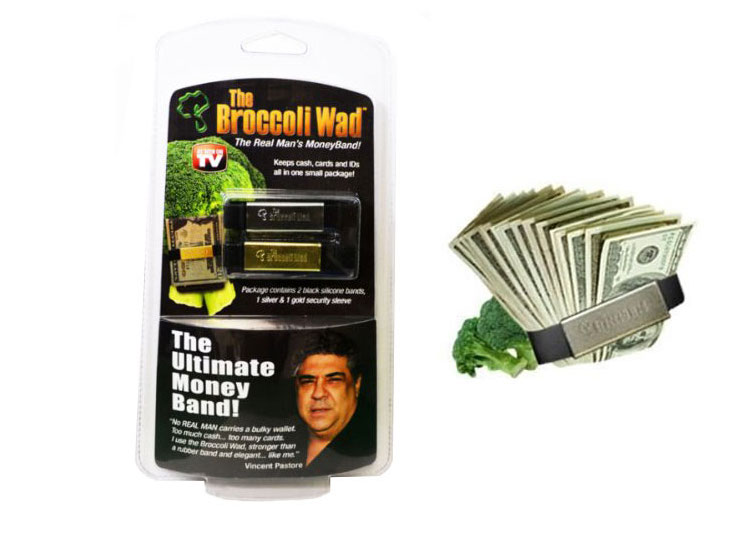
Broccoli Wad was a simple but unusual product introduced on Shark Tank Season 2 Episode 4. The invention was essentially a specialized rubber band designed to function as a minimalist wallet or money clip.
The product allowed users to wrap the rubber band around folded cash and credit cards, creating a lightweight and compact alternative to traditional wallets.
The name “Broccoli Wad” came from the band’s original inspiration — the rubber bands often used to hold broccoli stalks together in grocery stores.
Key Features of Broccoli Wad
The product focused on simplicity and portability. Key features included:
• A durable rubber band designed to securely hold cash and credit cards
• A minimalist alternative to bulky wallets
• Extremely low manufacturing costs
• Lightweight and easy to carry in a pocket
The entrepreneur emphasized that many people only carry a few cards and some cash, making a large wallet unnecessary.
Why the Sharks Were Interested
During the pitch, the Sharks were intrigued by the product’s simplicity and extremely low manufacturing cost.
Kevin O’Leary ultimately offered a deal because the product could potentially be produced cheaply and sold in high volumes through retail channels.
Potential advantages included:
• Very low production costs
• A simple product that could be sold in convenience stores and gift shops
• Appeal to consumers interested in minimalist wallets
However, the Sharks also questioned whether the product solved a large enough problem to support a scalable business.
Broccoli Wad – Where Are They Now? (2026 Update)
After appearing on Shark Tank Season 2 Episode 4, Broccoli Wad gained attention due to its unusual concept and memorable product name.
Although the entrepreneur accepted a deal on television with Kevin O’Leary, the agreement ultimately did not close after filming.
Without the investment and distribution support, the product struggled to gain traction in the market.
As of 2026, Broccoli Wad is no longer widely sold and appears to be discontinued.
However, the idea of minimalist wallets and money clips has continued to grow in popularity, with many modern wallet brands now offering slim card holders and minimalist designs.
Today, Broccoli Wad is often remembered by Shark Tank fans as one of the show’s most unusual minimalist wallet pitches.
Status: OUT OF BUSINESS
More from Shark Tank
Recommended
Watch full episodes of shark tank online with Amazon Video
Industry Breakdown – Shark Tank S02E04
Travel & Family Products: 1
Food & Beverage: 1
Lifestyle Apparel: 1
Consumer Accessories: 1
Compared to many other Shark Tank Season 2 episodes, Episode 4 leaned toward:
- Consumer products designed to solve everyday convenience problems
- Food and snack brands targeting specialty or regional markets
- Lifestyle apparel brands built around identity, humor, and niche audiences
- Practical travel innovations aimed at families with young children
- Simple product ideas addressing small but common everyday challenges
Did the Deals Close After Filming?
As with all Shark Tank deals, agreements made on television are subject to due diligence after filming.
As of 2026:
• Ride-On Carry-On, a suitcase designed to double as a ride-on seat for children while traveling through airports, attracted attention for its family travel convenience concept. The idea highlighted a common challenge faced by parents traveling with young children.
• Uncle Zip’s Beef Jerky, a specialty jerky brand focused on bold flavors and traditional recipes, gained exposure from appearing on Shark Tank. The beef jerky market remains highly competitive, with many regional brands competing for retail shelf space.
• Hillbilly Brand, a lifestyle apparel company featuring humorous slogans and rural culture themes, attempted to build a recognizable clothing brand targeting a niche audience. The Sharks questioned whether the brand could compete in the crowded apparel market.
• Broccoli Wad, a minimalist rubber band designed to hold cash and credit cards as a lightweight wallet alternative, attracted attention for its simple concept and extremely low production cost. However, the Sharks questioned whether the product solved a large enough problem to scale into a major consumer business.
There is no widely reported public confirmation of finalized investment deals from this episode after filming.
Best Deal of Shark Tank Season 2 Episode 4 (S02E04)
Shark Tank Season 2 Episode 4 did not produce a finalized deal during the episode, as the Sharks ultimately declined to invest in the businesses presented.
However, Ride-On Carry-On attracted notable interest due to its practical travel solution for families.
Key reasons the concept stood out included:
• A product addressing a common travel problem for parents with young children
• A design that combines luggage and a child seat into a single product
• Potential appeal to families traveling through busy airports
• A simple concept that could potentially expand into travel retail channels
Products that improve convenience during travel often attract attention because they address real everyday challenges faced by consumers.
🦈 Shark Strategy Patterns in This S02E04 Episode
During this episode, the Sharks carefully evaluated whether the products addressed large enough markets to justify investment.
• Kevin O’Leary focused on whether the products could generate strong margins and scale through retail distribution.
• Daymond John evaluated the branding potential of Hillbilly Brand but questioned whether the apparel line could stand out in a crowded clothing market.
• Barbara Corcoran looked for products that solved real consumer problems but was cautious about investing in niche markets.
• Robert Herjavec evaluated whether any of the products could expand into large national distribution channels.
• Kevin Harrington, known for his experience in product marketing and infomercials, analyzed whether the products could succeed through large-scale product marketing.
This episode highlights how the Sharks often avoid investing in products that address very small niche problems without clear paths to large-scale distribution.
Why Shark Tank Season 2 Episode 4 Stands Out
This episode is notable because it featured a diverse mix of consumer product ideas, including:
- A travel suitcase that doubles as a child seat for airport convenience
- A specialty beef jerky brand competing in the snack food market
- A lifestyle apparel company built around humor and rural culture
- A minimalist rubber band designed to hold cash and credit cards as a lightweight wallet alternative
Season 2 continued to showcase entrepreneurs bringing both practical inventions and niche lifestyle brands into the Tank.
Companies From Shark Tank Season 2 Episode 4 – Where Are They Now?
Entrepreneurs appearing on Shark Tank Season 2 Episode 4 introduced a range of consumer products targeting travel, food, apparel, and packaging solutions.
Although Broccoli Wad secured a deal on air with Kevin O’Leary, the agreement ultimately did not close after filming.
Below is a 2026 update on the companies featured in this episode.
Ride-On Carry-On – Where Are They Now?
Ride-On Carry-On introduced a travel accessory that attaches to carry-on luggage and allows children to sit and ride while parents pull the suitcase through airports. As of 2026, similar ride-on luggage and child travel seat concepts have appeared in various family travel products designed to make airport travel easier for parents and children.
Uncle Zip’s Beef Jerky – Where Are They Now?
As of 2026, many specialty jerky brands continue to sell products through online stores and local retailers.
Hillbilly Brand – Where Are They Now?
Hillbilly Brand was a lifestyle apparel company focused on clothing inspired by country culture, hunting, outdoor lifestyles, and humorous rural-themed slogans. As of 2026, there is limited public information suggesting that Hillbilly Brand grew into a major national clothing company.
Broccoli Wad – Where Are They Now?
Broccoli Wad introduced a minimalist rubber band designed to hold cash and credit cards together, functioning as a lightweight alternative to a traditional wallet. Although the entrepreneurs accepted a deal with Kevin O’Leary during the Shark Tank episode, the agreement ultimately did not close after filming. As of 2026, Broccoli Wad appears to be discontinued, although minimalist wallets and slim card holders have continued to grow in popularity in the consumer accessories market.
Final Thoughts on Shark Tank Season 2 Episode 4 (S02E04)
Shark Tank Season 2 Episode 4 demonstrates how entrepreneurs often bring simple product ideas into the Tank hoping to solve everyday problems for consumers.
While none of the businesses secured an investment during the episode, the appearance on Shark Tank still provided valuable exposure and feedback from experienced investors.
The episode highlights how the Sharks carefully evaluate whether products have large enough markets, strong profit margins, and clear distribution opportunities before deciding to invest.
Explore More Shark Tank Guides
• Shark Tank Season 2 Episode 2 Recap
• Shark Tank Season 2 Episode 3 Recap
• Shark Tank Season 2 – Full Episode Guide
• Best Deals of Shark Tank Season 2
Shark Tank Season 2 Episode 4 FAQs
What businesses appeared on Shark Tank Season 2 Episode 4?
Shark Tank Season 2 Episode 4 featured four entrepreneurs pitching their products to the Sharks:
Ride-On Carry-On – A suitcase that doubles as a child seat so kids can ride while traveling through airports.
Uncle Zip’s Beef Jerky – A premium beef jerky brand offering a variety of traditional and specialty flavors.
Hillbilly Brand – A lifestyle apparel company inspired by rural American culture and humor.
Broccoli Wad – A minimalist rubber band designed to hold cash and credit cards, functioning as a simple money clip and lightweight alternative to a traditional wallet.
Each entrepreneur entered the Tank hoping to secure an investment and strategic guidance from the Sharks.
What is Ride-On Carry-On?
Ride-On Carry-On is a travel product designed for families with young children. The suitcase includes a built-in seat that allows a child to ride on top of the luggage while being pulled through airports.
The product aims to make traveling with kids easier by reducing the need for strollers while also functioning as standard carry-on luggage.
The idea attracted interest because it solved a common travel challenge faced by parents in busy airports.
What is Uncle Zip’s Beef Jerky?
Uncle Zip’s Beef Jerky is a premium beef jerky brand known for producing handcrafted jerky with bold flavors and high-quality ingredients.
The company focused on delivering traditional American beef jerky while expanding into multiple flavor varieties to attract different consumer tastes.
Food products like jerky can be attractive investments when they demonstrate strong brand identity, scalable production, and retail distribution potential.
What is Hillbilly Brand?
Hillbilly Brand is a lifestyle apparel company that produces clothing featuring humorous slogans and imagery inspired by rural American culture.
The brand targeted consumers who embraced a playful “country lifestyle” identity and sought to build a recognizable apparel brand similar to other niche clothing companies.
During the pitch, the Sharks evaluated whether the brand had enough market demand and brand recognition to scale into a national apparel company.
What is Broccoli Wad?
Broccoli Wad is a minimalist money holder designed to replace bulky wallets. The product is essentially a durable rubber band that wraps around folded cash and credit cards, keeping them securely bundled together in a compact form.
The idea behind Broccoli Wad was inspired by the rubber bands commonly used to bundle broccoli stalks in grocery stores, which is where the product gets its unusual name.
The creators introduced the product as a lightweight and inexpensive alternative to traditional wallets, aimed at people who prefer carrying only a few cards and some cash instead of a full wallet.
Broccoli Wad appeared on Shark Tank Season 2 Episode 4, where the entrepreneurs pitched the product to the Sharks and accepted a deal with Kevin O’Leary, although the agreement ultimately did not close after filming.
Did any companies get a deal in Shark Tank Season 2 Episode 4?
Yes. Broccoli Wad, a minimalist rubber band designed to function as a simple wallet or money clip, secured a deal during the episode.
Entrepreneurs Johnny Gennaro and Vincent Pastore entered the Shark Tank seeking $50,000 for 20% equity in their company. After negotiations, Kevin O’Leary offered $50,000 for 40% of the business, and the entrepreneurs accepted the deal on air.
However, like many Shark Tank agreements, deals made during filming are subject to due diligence after the show. Reports indicate that the Broccoli Wad deal ultimately did not close after filming, and the product later disappeared from the market.
The other companies featured in the episode — Ride-On Carry-On, Uncle Zip’s Beef Jerky, and Hillbilly Brand — did not secure investments from the Sharks.
Where are the companies from Shark Tank Season 2 Episode 4 today?
Many businesses that appear on Shark Tank continue developing their products after the show, while others discontinue operations over time.
As of 2026, some products from this episode remain available through specialty retailers or online marketplaces, while others have faded from the market.
Even companies that do not receive an investment often experience increased brand awareness due to the “Shark Tank effect.”
Who were the Sharks in Shark Tank Season 2 Episode 4?
The Sharks appearing in Shark Tank Season 2 Episode 4 included:
Kevin Harrington
Kevin O’Leary
Barbara Corcoran
Robert Herjavec
Daymond John
These investors evaluated each pitch and decided whether the businesses were worth investing in based on their growth potential and market opportunity.
What happened to Ride-On Carry-On after Shark Tank?
After appearing on Shark Tank, Ride-On Carry-On gained attention as a creative travel product designed for families with young children.
Travel products that simplify airport experiences often generate interest among parents, especially when they reduce the need for extra equipment such as strollers.
As of 2026, similar child-ride luggage concepts have appeared in the travel market, showing that the idea addressed a real consumer need.
What happened to Uncle Zip’s Beef Jerky after Shark Tank?
Uncle Zip’s Beef Jerky gained exposure from appearing on Shark Tank and continued selling jerky products to customers interested in traditional American snack foods.
The jerky market is highly competitive, with many regional and national brands offering different flavor varieties and packaging styles.
Some small food brands benefit from the publicity of appearing on Shark Tank even if they do not secure an investment from the Sharks.
What happened to Hillbilly Brand after Shark Tank?
Hillbilly Brand attempted to build a clothing brand centered around humor and rural American culture.
Lifestyle apparel companies often rely heavily on branding, marketing, and cultural identity to grow their audience.
While the brand attracted attention during the episode, building a successful clothing brand requires strong distribution, marketing, and consistent consumer demand.
What happened to Broccoli Wad after Shark Tank?
Broccoli Wad introduced a minimalist rubber band designed to function as a simple wallet or money clip for holding cash and credit cards.
The concept was inspired by the rubber bands commonly used to bundle broccoli stalks in grocery stores, which led to the product’s unusual name.
Although the idea focused on replacing bulky wallets with a lightweight and inexpensive alternative, the Sharks questioned whether the product solved a large enough consumer problem to build a scalable business.
Products that address very small or niche problems sometimes struggle to attract investment if the potential market size is limited.
Why do Sharks reject some products on Shark Tank?
The Sharks frequently reject products for several common reasons, including:
Limited market size
Weak profit margins
High manufacturing costs
Lack of proven sales
Regulatory or legal risks
Entrepreneurs must convince the Sharks that their business can grow into a large, scalable company in order to receive investment.
How many pitches were shown in Shark Tank Season 2 Episode 4?
Shark Tank Season 2 Episode 4 featured four entrepreneurs pitching their businesses to the Sharks.
Each founder presented their product, explained their business model, and negotiated with the investors in hopes of securing funding and mentorship.
What types of products were featured in Shark Tank Season 2 Episode 4?
The episode featured a variety of consumer products across different industries, including:
Travel accessories
Food and snack products
Lifestyle apparel
Produce packaging solutions
This diversity reflects the wide range of ideas entrepreneurs bring into the Shark Tank.
Why do Shark Tank products become popular after the show?
Many products featured on Shark Tank experience a surge in interest known as the “Shark Tank effect.”
This occurs because:
Millions of viewers watch the show
Online searches for the product increase
Media coverage boosts brand awareness
Retailers and distributors become interested in carrying the product
Even companies that leave the Tank without a deal often benefit from the exposure.
