
Shark Tank season 2 episode 2 (often referred to as S02E02) originally aired on March 25, 2011, featuring a new group of entrepreneurs entering the Tank to pitch their businesses to the panel of investors. Each founder hopes to secure funding and strategic mentorship from the Sharks in order to expand their company and bring their product or service to a broader market.
Throughout the episode, entrepreneurs present a variety of innovative consumer products and business ideas while facing detailed questions from the Sharks about sales history, production costs, pricing strategy, competition, and long-term growth potential. As negotiations unfold, the founders must justify their valuations and demonstrate why their businesses are worth investing in.
If you’re looking for a full episode breakdown of Shark Tank Season 2 Episode 2, including the businesses featured and negotiations, you’ll find everything below.
Looking for more from this season? Browse the complete Shark Tank Season 2 episode guide for a full breakdown of every pitch and investment. For a ranked look at the biggest deals and most successful companies, explore the Best of Shark Tank Season 2 – Top Deals, Biggest Investments & Most Successful Companies.
About Shark Tank Season 2
Executive producer Mark Burnett and Sony Pictures Television return with another exciting season of Shark Tank, the hit business reality show where entrepreneurs pitch their ideas to a panel of wealthy investors known as the “Sharks.” Contestants must convince the Sharks that their businesses are worth investing in, often leading to intense negotiations and high-stakes deals.
The show is based on the international format Dragons’ Den, which originally launched in Japan and later became a global franchise. Over the years, Shark Tank has helped launch hundreds of companies while giving viewers a behind-the-scenes look at how real investment decisions are made.
Browse All Shark Tank Season 2 Episodes
Each recap includes the entrepreneurs, deals made in the Tank, and 2026 business updates.
Shark Tank Season 2 Episode Guide
Explore every pitch, deal, and business update from Shark Tank Season 2.
Disclosure: As an Amazon Associate, we earn from qualifying purchases. This helps support the site at no additional cost to you.
Shark Tank Season 2 – Shark Panel Overview
During Shark Tank Season 2, the regular panel of investors consisted of Kevin Harrington, Daymond John, Kevin O’Leary, Barbara Corcoran, and Robert Herjavec, who appeared in most episodes of the season.
Season 2 also introduced guest Sharks, including Mark Cuban and Jeff Foxworthy. Mark Cuban appeared in several episodes during this season and later became a permanent Shark starting in Season 3.
Sharks in Shark Tank Season 2
The main Sharks appearing during Shark Tank Season 2 Episode 9 included:
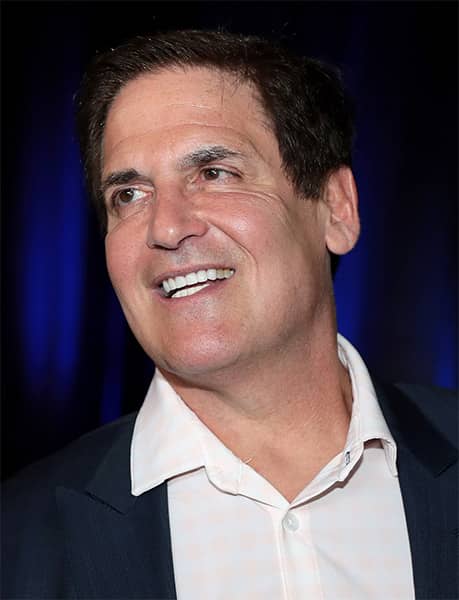
In Shark Tank Season 2 Episode 2, the guest Shark is Mark Cuban.
Mark Cuban
Mark Cuban is an American entrepreneur, investor, media proprietor, and television personality with a net worth estimated to $4.3 billion.
Cuban owns film distributor Magnolia Pictures, as well as owns IceRocket search engine that scours the blogosphere for content.
He is a chairman of AXS TV, the owner of the National Basketball Association’s (NBA) Dallas Mavericks, and co-owner of 2929 Entertainment.
In 2011, Cuban wrote an e-book in which he chronicles his experiences in business and sports. The book is called “How to Win at the Sport of Business“.
Source: Wikipedia
[inhype_block type=”postsgrid4″ block_title=”You may also like” block_subtitle=”Shark Tank Season 8″ block_posts_type=”latest” block_categories=”” block_posts_limit=”3″ block_posts_loadmore=”no” block_posts_offset=”0″]
They’re gonna crush you like the cockroaches you are!
Kevin O’Leary
We listed below every entrepreneur and business who has appeared on Shark Tank Season 2 Episode 2. Many scammers claim they’ve received big investments from the Sharks or they have been on the show. If you don’t see a business on this list, they haven’t been actually on Shark Tank. Some of the top places you can use to check are on Wikipedia and also ABC’s episode guide.
What Happened in Shark Tank Season 2 Episode 2?
Shark Tank Season 2 Episode 2 featured four entrepreneurs pitching innovative consumer products and creative business ideas to the Sharks.
The businesses ranged from a high-performance pogo stick designed for extreme jumping to a subscription toy rental service that sends toys to families each month. Other pitches included a drug-free nasal filtration product designed to block allergens, along with a novelty alarm clock that wakes users with the smell of freshly cooked bacon.
As the entrepreneurs presented their ideas, the Sharks carefully evaluated each business, asking tough questions about sales potential, manufacturing costs, profit margins, scalability, and market demand.
The episode is especially notable because it featured a combination of extreme sports equipment, health products, subscription services, and novelty inventions, giving the Sharks a wide range of business models to evaluate.
Businesses Featured on Shark Tank S02E02
List with all the appearances in Season 2 Episode 2 (S02E02):
List of Companies Appearing on Shark Tank Season 2 Episode 2 (S02E02)
- Vurtego Pogo Sticks – High-performance pogo sticks that use compressed air technology instead of traditional springs, allowing riders to jump dramatically higher.
- First Defense Nasal Screens – Lightweight adhesive nasal filters designed to block allergens and airborne particles without medication.
- Toygaroo – Rental Service for Toys – A subscription-based toy rental service that allows parents to receive toys by mail and return them when children are finished playing.
- Wake N Bacon – Bacon Cooking Alarm Clock – A novelty alarm clock concept designed to wake users with the smell of freshly cooked bacon.
Shark Tank Season 2 Episode 2 Highlights
- 4 entrepreneurs pitched their businesses
- The episode featured products across multiple industries
- Founders faced tough questions about scalability, safety, and manufacturing costs
- The Sharks evaluated both innovative consumer products and subscription-based business models
Entrepreneurs were challenged on whether their ideas could grow beyond niche markets and become scalable businesses with long-term commercial potential.
Shark Tank S02E02 Episode Products Summary Table
Only one entrepreneur appearing on Shark Tank Season 2 Episode 2 secured a deal after negotiations with the Sharks, while the remaining founders left the Tank without investment.
| Company | Industry | Ask | Deal | Shark(s) | 2026 Status |
|---|---|---|---|---|---|
| Toygaroo | Toy rental subscription service | $100K for 10% | $200K for 40% | Mark Cuban & Kevin O’Leary | Bankrupt (2012) |
| Vurtego Pogo Sticks | Extreme sports / recreational equipment | $500K for 10% | No Deal | — | Active brand |
| First Defense Nasal Screens | Health / allergy protection | $500K for 30% | $750K loan + royalty deal | Mark Cuban & Kevin O’Leary, Daymond John | Niche product availability |
| Wake N Bacon | Novelty alarm clock gadget | $40K for 20% | No Deal | — | Concept did not launch commercially |
Shark Tank Season 2 Episode 2 Snapshot
Season: 2
Episode: 2
Air Date: March 25, 2011
Sharks:
- Kevin Harrington
- Kevin O’Leary
- Barbara Corcoran
- Robert Herjavec
- Daymond John
Guest Shark:
- Mark Cuban
- Total Pitches: 4
- Deals Made: 1
- No-Deal Count: 3
- Largest Investment:$200K (Toygaroo)
Shark Tank S02E02 Investment Totals & Financial Breakdown
Shark Tank Season 2 Episode 2 featured approximately $1,140,000 requested in capital, with $200,000 invested on air.
Financial Aggregation
Total Capital Requested: $1,140,000
Total Capital Invested: $200K
Total Capital Committed: $200K
Highest Equity Given: 40% (Toygaroo)
Highest Valuation Asked: ~$5M valuation (Vurtego – $500K for 10%)
Lowest Valuation Asked: ~$200K valuation (Wake N Bacon – $40K for 20%)
Average Equity Asked: ~17%
Valuation Compression Analysis
Shark Tank Season 2 Episode 2 demonstrated how the Sharks frequently evaluate both innovative products and scalable business models before deciding whether to invest.
• Toygaroo, a toy rental subscription service often described as a “Netflix for toys,” secured a deal with Mark Cuban and Kevin O’Leary after negotiations led to a larger equity stake than originally requested.
• Vurtego, a high-performance pogo stick using compressed air technology instead of traditional springs, impressed the Sharks with its engineering but faced concerns about the size of the extreme pogo sports market.
• First Defense Nasal Screens, a lightweight adhesive nasal filter designed to block allergens, introduced a drug-free health product concept but struggled to convince the Sharks about long-term market demand.
• Wake N Bacon, a novelty alarm clock designed to wake users with the smell of freshly cooked bacon, entertained the Sharks but raised safety and manufacturing concerns.
Ultimately, only one deal was made during the episode.
Key Observations
- Subscription-based services appeared in the Tank – Toygaroo introduced a toy rental model designed to reduce toy clutter for families.
- Extreme sports equipment entered the Shark Tank – Vurtego showcased pogo sticks capable of launching riders up to 10 feet in the air.
- Health-related consumer products were explored – First Defense Nasal Screens promoted drug-free allergy protection.
- Novelty gadgets captured attention – Wake N Bacon demonstrated how unique ideas can attract curiosity even if they do not reach commercialization.
Shark Tank Air Date: 03/25/11 – Season 2 – Episode 2
Vurtego Pogo Sticks
| ASKED FOR | GOT | SHARK |
| $500,000 for 10% | NO DEAL | NO SHARK |
Entrepreneurs: Brian Spencer
Product Overview
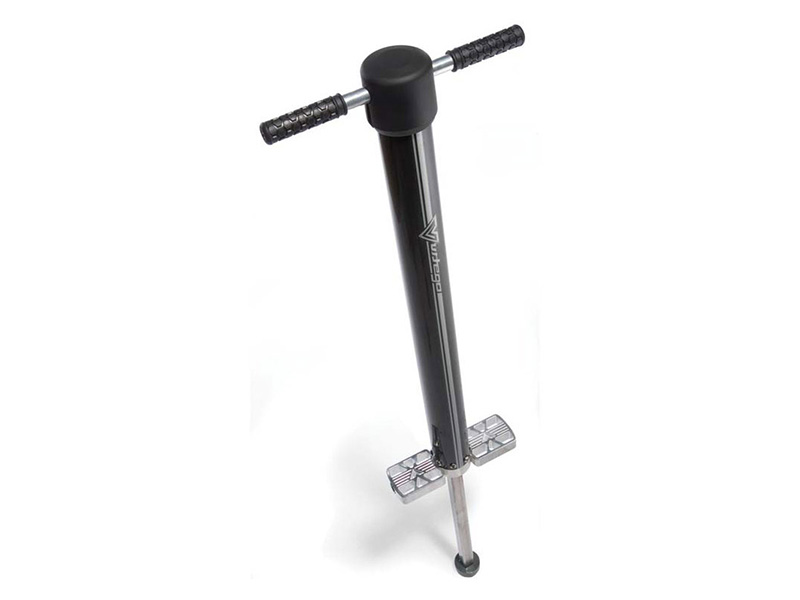
Vurtego introduced a new generation of pogo sticks built with advanced air-powered technology that allows riders to jump dramatically higher than traditional pogo sticks.
Unlike standard pogo sticks that rely on metal springs, Vurtego uses a compressed air system to generate powerful bounce and smoother landings. Riders can adjust the air pressure using a bike pump or air compressor, allowing them to control how high they want to jump.
With this technology, experienced riders can reach heights of up to 10 feet, and the company has even helped set world records for the highest pogo stick jumps.
The pogo sticks are available in different sizes, allowing riders to choose the appropriate model based on their height and skill level.
Vurtego pogo sticks are designed with durability and safety in mind. Key features include:
- Aircraft-grade aluminum cylinder body for strength and durability
- Footpeg locking system that secures the rider’s feet during jumps
- Adjustable air pressure system for customizable bounce
- Made in the USA construction
Each pogo stick comes fully assembled and ready to ride, making it easy for beginners and experienced riders alike to start bouncing right away.
Because of its innovative engineering and extreme jump capabilities, Vurtego has become one of the most recognizable high-performance pogo stick brands in the action sports community.
Vurtego Pogo Stick Shark Tank Update (2026)
Vurtego appeared on Shark Tank Season 2 Episode 2, where founder Brian Spencer pitched the company’s high-performance pogo sticks to the Sharks.
Unlike traditional pogo sticks that rely on metal springs, Vurtego uses a compressed air technology system that allows riders to jump significantly higher while maintaining better control and stability. The innovative design quickly attracted attention from the Sharks due to its extreme sports potential and growing popularity among pogo enthusiasts.
During the pitch, Spencer asked the Sharks for $500,000 in exchange for 10% equity in the company. While the Sharks were impressed by the technology and demonstration, concerns about market size and scalability ultimately prevented a deal from being made.
Despite leaving the Tank without an investment, the company gained significant exposure from the show and continued to grow within the extreme sports and action sports communities.
As of 2026, Vurtego remains active and continues producing high-performance pogo sticks used by professional riders and hobbyists around the world.
What Happened to Vurtego After Shark Tank?
After appearing on Shark Tank, Vurtego gained increased attention from the action sports community, helping expand the popularity of extreme pogo jumping.
The company’s pogo sticks use a compressed air cylinder system, which allows riders to adjust bounce height by changing the air pressure using a standard bike pump or air compressor. This design allows experienced riders to jump as high as 10 feet or more, far exceeding the performance of traditional pogo sticks.
Vurtego products became popular among riders participating in extreme pogo competitions and demonstrations, where athletes perform high jumps and tricks.
The brand also gained recognition for helping riders achieve world-record pogo jumps, further boosting its reputation within the sport.
Where to Buy Vurtego Pogo Sticks
Vurtego pogo sticks can be purchased through several online retailers and specialty sporting goods stores.
Customers can typically find Vurtego products through:
- the official Vurtego website
- major online marketplaces such as Amazon
- specialty action sports retailers
The company offers several pogo stick models designed for different rider weights, heights, and skill levels, making it possible for both beginners and experienced riders to enjoy the sport.
Is Vurtego Still in Business?
Yes, Vurtego is still in business.
The company continues to manufacture high-performance pogo sticks and remains active within the extreme pogo and action sports community. Vurtego products are used by both recreational riders and professional athletes who compete in high-jump and trick competitions.
Because of its innovative air-powered design and durability, Vurtego remains one of the most recognizable high-performance pogo stick brands in the world.
First Defense Nasal Screens
| ASKED FOR | GOT | SHARK |
| $500,000 for 10% | $750,000 loan for 30% + 10% royalty in perpetuity | Kevin O’Leary, Daymond John and Mark Cuban |
Entrepreneurs: Joe Moore
Product Overview
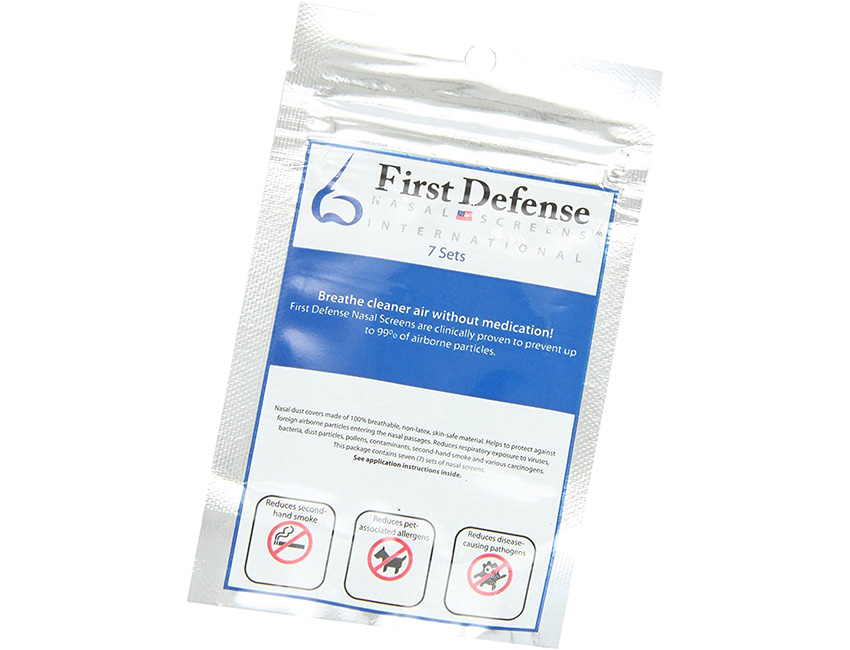
First Defense Nasal Screens are lightweight nasal filters designed to help reduce exposure to airborne particles such as allergens, dust, and pollution.
Unlike many traditional allergy solutions, First Defense Nasal Screens are non-inserted and nonintrusive, meaning they sit gently on the outside of the nose rather than being placed inside the nasal passages. The product uses thin self-adhesive strips that attach just beneath the nostrils, covering the nasal openings with a nearly invisible protective screen.
The screens act as a physical air filter, allowing users to breathe normally while helping block airborne particles before they enter the nasal passages.
Key features of First Defense Nasal Screens include:
- Lightweight and nearly invisible design
- Hypoallergenic materials
- Self-adhesive strips for easy application
- Non-inserted external nasal filter system
According to product testing, the screens can reduce up to 99% of airborne particles measuring 10 microns, while also providing 77% or greater effectiveness against smaller sub-micron particles.
Because the product filters the air physically rather than relying on medication, First Defense Nasal Screens are marketed as a drug-free option for people looking to reduce allergy exposure in environments with dust, pollen, or other airborne irritants.
First Defense Nasal Screens Shark Tank Update (2026)
First Defense Nasal Screens appeared on Shark Tank Season 2 Episode 2, where the founders introduced their innovative nasal air filtration product to the Sharks.
The product is designed to help reduce exposure to airborne allergens such as pollen, dust, and pollution. Unlike many nasal filters that are inserted into the nostrils, First Defense Nasal Screens are applied externally using small self-adhesive strips that cover the nasal passages with a lightweight filtering screen.
During the Shark Tank pitch, the entrepreneurs explained that the product offers a drug-free solution for allergy sufferers by physically filtering the air before it enters the nose.
Although the Sharks showed interest in the concept and the potential health benefits, the entrepreneurs ultimately did not secure a deal during the episode.
Despite leaving the Tank without investment, the product gained attention from consumers interested in non-medicated allergy protection solutions.
What Happened to First Defense Nasal Screens After Shark Tank?
After appearing on Shark Tank, First Defense Nasal Screens gained increased visibility as viewers became curious about the product’s unique approach to filtering airborne particles.
The company continued promoting the product as a drug-free alternative for allergy protection, targeting individuals who suffer from seasonal allergies, dust exposure, and airborne irritants.
The nasal screens use a thin filtration mesh combined with adhesive strips, allowing them to stay in place while remaining almost invisible during use.
Because the filters are worn externally rather than inserted into the nose, the product was marketed as a comfortable and nonintrusive solution for everyday allergy protection.
Over time, the brand expanded its presence through online retail channels and international distribution partners.
Where to Buy First Defense Nasal Screens
First Defense Nasal Screens have been sold through several online retailers and specialty health product stores.
Customers can often purchase the product through:
- the official First Defense website
- online marketplaces such as Amazon
- specialty health and allergy product retailers
The product is typically sold in small disposable packs, allowing users to replace the screens regularly for optimal filtration performance.
Is First Defense Nasal Screens Still in Business?
Yes, First Defense Nasal Screens are still available in some markets.
The company continues to sell nasal filtration products designed to reduce exposure to airborne allergens and environmental particles. While the product remains more of a niche health solution, it continues to attract consumers looking for non-medicated allergy protection options.
First Defense Nasal Screens remain one of the more unusual health-related products to appear on Shark Tank, demonstrating how the show has featured innovations across a wide range of industries.
Toygaroo – Rental Service for Toys
| ASKED FOR | GOT | SHARK |
| $100,000 for 10% | $200,000 for 35% | Mark Cuban and Kevin O’Leary |
Entrepreneurs: Nikki Pope
Product Overview
Toygaroo was a subscription-based toy rental service founded by Nikki Pope. The company was created to provide families with an affordable way to give children access to a rotating selection of toys without having to constantly purchase new ones.
The concept worked similarly to a subscription service. Parents paid a monthly membership fee, and Toygaroo would ship a curated selection of toys directly to their home. Children could play with the toys for as long as they wanted, and once they were finished, the toys were returned so new ones could be sent.
The idea aimed to solve several common problems for parents:
- children quickly becoming bored with toys
- the high cost of constantly buying new toys
- clutter from toys that are no longer used
By allowing families to rent toys instead of buying them, Toygaroo positioned itself as a convenient and cost-effective solution for parents with young children.
The concept gained national attention after appearing on Shark Tank, where the subscription toy service was compared to a “Netflix for toys.”
However, despite the strong interest generated by the show, the company later encountered difficulties with its business model. High operational costs related to shipping, cleaning, and maintaining the toy inventory made it difficult to sustain long-term profitability.
As a result, Toygaroo filed for bankruptcy in 2012, making it one of the more notable Shark Tank companies that struggled after receiving national exposure.
Toygaroo Shark Tank Update (2026)
Toygaroo appeared on Shark Tank Season 2 Episode 2, where founder Nikki Pope pitched the company’s subscription toy rental service. The concept allowed parents to rent toys for their children through a monthly membership, similar to a “Netflix for toys” model. The idea attracted interest from the Sharks and secured an investment during the episode.
What Happened to Toygaroo After Shark Tank?
After appearing on Shark Tank, Toygaroo experienced a surge in popularity and customer demand. However, the company struggled with the high costs of shipping, cleaning, and maintaining its inventory of toys. Due to these operational challenges, the business eventually filed for bankruptcy in 2012, becoming one of the most notable Shark Tank companies that failed after receiving investment.
Status: OUT OF BUSINESS
Wake N Bacon – Bacon Cooking Alarm Clock
| ASKED FOR | GOT | SHARK |
| $40,000 for 20% | NO DEAL | NO SHARK |
Entrepreneurs: Matty Sallin
Product Overview
Wake N Bacon is a novelty alarm clock concept designed to wake users with the smell of freshly cooked bacon instead of a traditional alarm sound. The idea was created by Matty Sallin, who wanted to make waking up in the morning more enjoyable.
The device was designed with a small cooking chamber that would begin cooking a strip of bacon shortly before the alarm was scheduled to go off. As the bacon cooked, the aroma would gradually fill the room, helping to wake the user naturally.
The concept attracted attention when it was presented on Shark Tank, where the inventor pitched the unusual alarm clock to the panel of Sharks. While the idea generated curiosity and discussion during the episode, the Sharks questioned the practicality and safety of a device that cooks food next to a bedside.
Following the show, the Wake N Bacon concept gained media attention and online interest. However, the product never moved into large-scale commercial production.
Although the idea captured the imagination of viewers, Matty Sallin did not significantly develop the Wake N Bacon concept into an ongoing business, and the product remains mostly remembered as one of the more unusual inventions presented on Shark Tank.
Wake N Bacon Shark Tank Update (2026)
Wake N Bacon was created by Matty Sallin and appeared on Shark Tank Season 2 Episode 2. The invention was designed as a novelty alarm clock that wakes users with the smell of freshly cooked bacon.
Instead of a traditional alarm sound, the device would cook a strip of bacon shortly before the wake-up time, allowing the aroma to gradually fill the room. The idea was intended to make mornings more enjoyable by replacing the harsh sound of a normal alarm clock with the appealing smell of breakfast.
During the Shark Tank pitch, Sallin asked for $40,000 in exchange for 20% equity in the business. While the Sharks found the concept amusing and memorable, they ultimately decided not to invest, raising concerns about safety, practicality, and the difficulty of manufacturing the product.
What Happened to Wake N Bacon After Shark Tank?
After appearing on Shark Tank, Wake N Bacon gained significant media attention due to the unusual concept of a bacon-cooking alarm clock.
The invention was widely discussed online and featured in several technology and entertainment publications. However, the product did not progress into large-scale manufacturing or retail distribution.
One of the main challenges was developing a safe and practical design for a device that cooks food while sitting on a bedside table. Manufacturing and regulatory concerns made it difficult to bring the product to market.
As a result, Wake N Bacon remained mostly a prototype concept rather than becoming a commercial consumer product.
Where to Buy Wake N Bacon
Wake N Bacon was never widely released as a commercial product.
Although the concept generated interest after appearing on Shark Tank, the alarm clock did not reach mass production. As a result, the product is not commonly available through retail stores or major online marketplaces.
Today, Wake N Bacon is primarily remembered as one of the most unusual and entertaining inventions ever pitched on Shark Tank.
Is Wake N Bacon Still in Business?
No, Wake N Bacon is not currently an active business.
While the concept attracted attention when it appeared on Shark Tank, the product did not develop into a commercial brand. Creator Matty Sallin did not continue pursuing the business after the show, and the bacon alarm clock never reached full-scale production.
Despite this, Wake N Bacon remains a memorable Shark Tank pitch and is often cited as one of the show’s most creative novelty inventions.
Status: OUT OF BUSINESS
[inhype_block type=”showcase4″ block_title=”More from Shark Tank” block_subtitle=”Recommended” block_posts_type=”random” block_categories=”” block_posts_limit=”4″ block_posts_loadmore=”no” block_posts_offset=”0″]
Watch full episodes of shark tank online with Amazon Video
Industry Breakdown – Shark Tank S02E02
Extreme Sports / Recreational Equipment: 1
Health & Allergy Protection Products: 1
Children’s Toys & Subscription Services: 1
Consumer Gadgets / Novelty Products: 1
Compared to many other Shark Tank Season 2 episodes, Episode 2 leaned toward:
• Innovative products designed to solve everyday problems
• Recreational equipment aimed at niche sports communities
• Subscription-based business models targeting families
• Health-related consumer products focused on allergy protection
• Novelty inventions designed to capture consumer curiosity
Best Deal of Shark Tank Season 2 Episode 2 (S02E02)
Toygaroo stands out as the most notable deal from this episode.
The company introduced a subscription service that allowed parents to rent toys for their children instead of purchasing them, helping reduce clutter and save money as children quickly outgrow toys.
Several factors made Toygaroo attractive to the Sharks:
• A subscription-based recurring revenue model
• A large potential market of parents with young children
• A concept compared to “Netflix for toys”
• Strong demand for convenient toy solutions for families
The deal demonstrated the Sharks’ interest in subscription-based business models, which were becoming increasingly popular at the time.
🦈 Shark Strategy Patterns in This S02E02 Episode
Kevin O’Leary showed strong interest in scalable business models and recurring revenue opportunities.
Robert Herjavec evaluated the consumer technology and recreational products but remained cautious about niche markets.
Barbara Corcoran focused on whether the entrepreneurs had strong branding and a clear path to national expansion.
Daymond John analyzed the consumer appeal of the products but ultimately chose not to invest in this episode.
Kevin Harrington looked closely at product demonstration and retail distribution potential when evaluating the businesses.
This episode highlights how the Sharks often prioritize business models that scale quickly or generate recurring revenue rather than single-product concepts.
Why Shark Tank Season 2 Episode 2 Stands Out
Shark Tank Season 2 Episode 2 stands out because it featured a diverse group of entrepreneurs presenting products across very different industries, from extreme sports equipment to subscription-based toy services.
The episode included a high-performance pogo stick designed for extreme jumping, a drug-free nasal filtration product aimed at reducing allergies, a subscription toy rental service targeting families, and a novelty alarm clock designed to wake users with the smell of bacon.
This variety gave the Sharks an opportunity to evaluate both innovative consumer products and scalable service-based business models.
The episode also highlighted how subscription-based companies were beginning to attract investor attention, reflecting a shift toward recurring revenue business models that would later become extremely popular across many industries.
Companies From Shark Tank Season 2 Episode 2 – Where Are They Now?
Entrepreneurs appearing on Shark Tank Season 2 Episode 2 introduced a mix of consumer products and subscription-based services ranging from extreme sports equipment to health-related innovations.
While one company secured a deal in the Tank, several of the businesses experienced different outcomes after their television appearance.
Below is a 2026 update on the companies featured in this episode.
Toygaroo – Where Are They Now?
Toygaroo introduced a toy rental subscription service that allowed parents to receive toys by mail for a monthly fee.
The concept was compared to “Netflix for toys”, allowing families to return toys once their children were finished playing with them.
Although the company initially gained significant attention after Shark Tank and secured investment during the episode, Toygaroo later struggled with the operational costs of shipping and maintaining its toy inventory.
The company eventually filed for bankruptcy in 2012.
Vurtego – Where Are They Now?
Vurtego introduced high-performance pogo sticks that use compressed air technology instead of traditional springs, allowing riders to jump dramatically higher.
The innovative design gained attention from extreme sports enthusiasts and helped popularize extreme pogo jumping competitions.
As of 2026, Vurtego remains active and continues producing pogo sticks used by both recreational riders and professional athletes.
First Defense Nasal Screens – Where Are They Now?
First Defense Nasal Screens presented a lightweight nasal filter designed to reduce exposure to allergens and airborne particles.
The product uses self-adhesive screens placed over the nostrils, allowing users to breathe normally while filtering the air entering the nose.
After appearing on Shark Tank, the product continued selling through online retailers and specialty health stores.
As of 2026, the product remains available in certain markets as a niche allergy protection solution.
Wake N Bacon – Where Are They Now?
Wake N Bacon, created by Matty Sallin, was a novelty alarm clock designed to wake users with the smell of freshly cooked bacon.
The concept generated significant media attention due to its unusual idea, but the product never advanced beyond the prototype stage.
As of 2026, Wake N Bacon is no longer an active business and remains mostly remembered as one of the more unusual inventions ever pitched on Shark Tank.
Final Thoughts on Shark Tank Season 2 Episode 2 (S02E02)
Shark Tank Season 2 Episode 2 showcased a diverse group of entrepreneurs presenting creative consumer products and innovative business models to the Sharks.
The episode featured a mix of ideas ranging from extreme sports equipment and health-related products to subscription-based services and novelty gadgets. This variety highlighted how entrepreneurs continue to bring unique concepts into the Tank in hopes of securing funding and strategic guidance from experienced investors.
While only one company secured a deal during the episode, several of the businesses benefited from the national exposure that comes with appearing on Shark Tank. Even without investment, many entrepreneurs gained valuable publicity that helped increase awareness of their products and brands.
Season 2 Episode 2 also demonstrated how the Sharks carefully evaluate market size, scalability, and long-term profitability before deciding whether to invest. Innovative ideas can attract attention, but the Sharks ultimately look for businesses with strong growth potential and sustainable business models.
Overall, the episode reflects the early seasons of Shark Tank, where a wide range of experimental products and startup ideas were introduced to millions of viewers, helping launch conversations about entrepreneurship and innovation.
Shark Tank Season 2 Episode 2 FAQs
What businesses appeared on Shark Tank Season 2 Episode 2?
Four companies pitched their ideas to the Sharks in this episode:
Toygaroo – A subscription service that rents toys to families.
Vurtego – High-performance pogo sticks designed for extreme jumping.
First Defense Nasal Screens – A drug-free nasal filtration product designed to block allergens.
Wake N Bacon – A novelty alarm clock that wakes users with the smell of freshly cooked bacon.
Did any companies get a deal on Shark Tank Season 2 Episode 2?
Yes. Toygaroo secured a deal with Mark Cuban and Kevin O’Leary during the episode.
What happened to Toygaroo after Shark Tank?
Toygaroo initially experienced strong growth after appearing on Shark Tank. However, the company struggled with high operational costs related to shipping and maintaining its toy inventory and eventually filed for bankruptcy in 2012.
Is Vurtego still in business?
Yes. Vurtego continues to manufacture high-performance pogo sticks and remains popular within the extreme pogo and action sports communities.
What are First Defense Nasal Screens?
First Defense Nasal Screens are lightweight adhesive filters placed over the nostrils to help reduce exposure to airborne allergens such as pollen, dust, and pollution.
What happened to Wake N Bacon after Shark Tank?
Wake N Bacon gained attention as a novelty invention after appearing on the show, but the product never reached full-scale production and did not develop into an ongoing business.
When did Shark Tank Season 2 Episode 2 air?
Shark Tank Season 2 Episode 2 originally aired on March 25, 2011.
How many deals were made in Shark Tank Season 2 Episode 2?
Only one deal was made during the episode, with the remaining entrepreneurs leaving the Tank without securing investment from the Sharks.
