
and features entrepreneurs pitching a variety of businesses to the Sharks, including a gourmet seasoning brand, patented motorcycle helmet accessories, a printer ink refill business, a children’s activity franchise, and a portable golf ball cleaner.
In this episode, founders present a variety of consumer products and creative business concepts, each attempting to demonstrate that their company has the potential to grow into a profitable venture. The entrepreneurs must answer tough questions from the Sharks about manufacturing costs, competition, market demand, and scalability.
As negotiations unfold, the investors carefully evaluate each opportunity before deciding whether the business is worth the risk. Some entrepreneurs manage to spark interest from the Sharks, while others leave the Tank without securing a deal.
If you’re looking for a complete recap of Shark Tank Season 1 Episode 11, including the entrepreneurs, deals made in the Tank, and a breakdown of each product featured in the episode, you’ll find everything you need below in this detailed guide.
Looking for more from this season? Browse the complete Shark Tank Season 1 episode guide for a full breakdown of every pitch and investment. For a ranked look at the biggest deals and most successful companies, explore the Best of Shark Tank Season 1 – Top Deals, Biggest Investments & Most Successful Companies.
About Shark Tank Season 1
Executive producer Mark Burnett and Sony Pictures Television return with another exciting season of Shark Tank, the hit business reality show where entrepreneurs pitch their ideas to a panel of wealthy investors known as the “Sharks.” Contestants must convince the Sharks that their businesses are worth investing in, often leading to intense negotiations and high-stakes deals.
The show is based on the international format Dragons’ Den, which originally launched in Japan and later became a global franchise. Over the years, Shark Tank has helped launch hundreds of companies while giving viewers a behind-the-scenes look at how real investment decisions are made.
Browse All Shark Tank Season 1 Episodes
Each recap includes the entrepreneurs, deals made in the Tank, and 2026 business updates.
Shark Tank Season 1 Episode Guide
Explore every pitch, deal, and business update from the first season of Shark Tank.
Disclosure: As an Amazon Associate, we earn from qualifying purchases. This helps support the site at no additional cost to you.
Sharks in Shark Tank Season 1
The main Sharks appearing during Shark Tank Season 1 Episode 11 included:
Season 1 Episode 11 in depth
In this first season as sharks in every episode appear Kevin Harrington, Daymond John, Kevin O’Leary, Barbara Corcoran, and Robert Herjavec
In this season 1 episode 11, there is no guest judge.
Kevin Harrington
Kevin Harrington is an American business executive and entrepreneur born in 1956. He has appeared as Keynote Speaker on the American annual invention trade show Inpex 2012 and on the television series Shark Tank.
Harrington became a Chairman and Senior Executive Officer of H & H Imports Inc. and a Member of the Advisory Board at AbsolutelyNew, Inc.
Source: Wikipedia
From 2006 to 2008, Harrington was the Director of Infusion Brands International, Inc.. In 2007, he became the Executive Director of ResponzeTV Plc and the Chief Executive Officer of ResponzeTV Plc, then a year later, in 2008, he left both positions.
Harrington was one of the first investors and Sharks members on the ABC TV series Shark Tank from its beginning in 2009. Two seasons later, in 2011, he left the show.
You may also like
Shark Tank Season 8
A good entrepreneur never takes ‘no’ for an answer, but a smart businessman knows when to move on.
Robert Herjavec
We listed below every entrepreneur and business who has appeared on Shark Tank Season 1 Episode 11. Many scammers claim they’ve received big investments from the Sharks or they have been on the show. If you don’t see a business on this list, they were not actually on Shark Tank. Some of the top places you can use to check are on Wikipedia and also ABC’s episode guide.
What Happened in Shark Tank Season 1 Episode 11?
Shark Tank Season 1 Episode 11 featured five entrepreneurs pitching a mix of consumer products, children’s services, and food-related businesses to the Sharks.
The businesses ranged from an all-natural seasoning blend used to make homemade salad dressing to safety equipment designed for extreme sports enthusiasts. Other pitches included a children’s activity and learning center franchise, an innovative printing technology designed to transfer images onto clothing, and a unique toy concept aimed at the children’s entertainment market.
Throughout the episode, the Sharks questioned the entrepreneurs about manufacturing costs, retail distribution, franchising potential, and long-term scalability. Some founders managed to generate interest from the investors, while others struggled to convince the Sharks that their businesses could grow into profitable ventures.
Unlike some episodes where multiple deals are made, negotiations in Episode 11 were highly competitive as the Sharks evaluated the risks and potential market demand behind each product.
Businesses Featured on Shark Tank S01E11
Here is the complete list of companies that appeared on Shark Tank Season 1 Episode 11.
List with all the appearances in Season 1 Episode 11 (S01E11):
- Chef in Black – A seasoning blend made from natural spices that can be mixed with oil and vinegar to create salad dressing or marinade.
- Hell’s Bells Helmets – A company that created patented 3D decorative attachments for motorcycle helmets and other sports helmets, allowing riders to customize their helmets with unique designs.
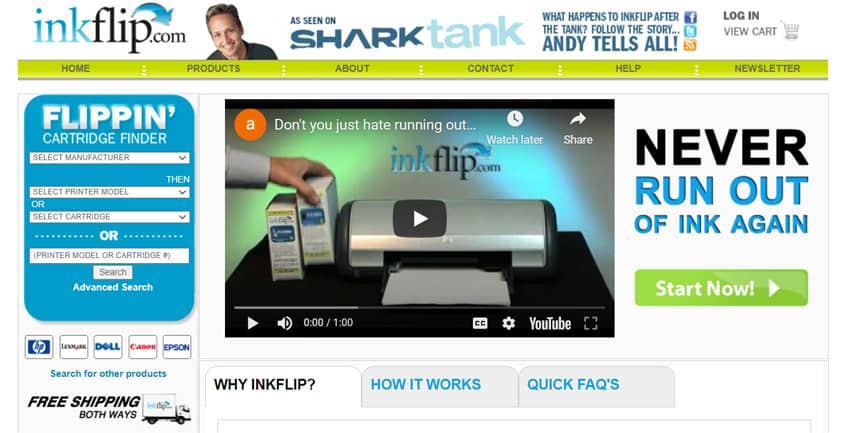
- Ink Flip – A printer ink cartridge refill business designed to offer cheaper alternatives to expensive brand-name printer cartridges.
- Romp and Roll – A children’s gym and activity center franchise focused on early childhood development and play-based learning.
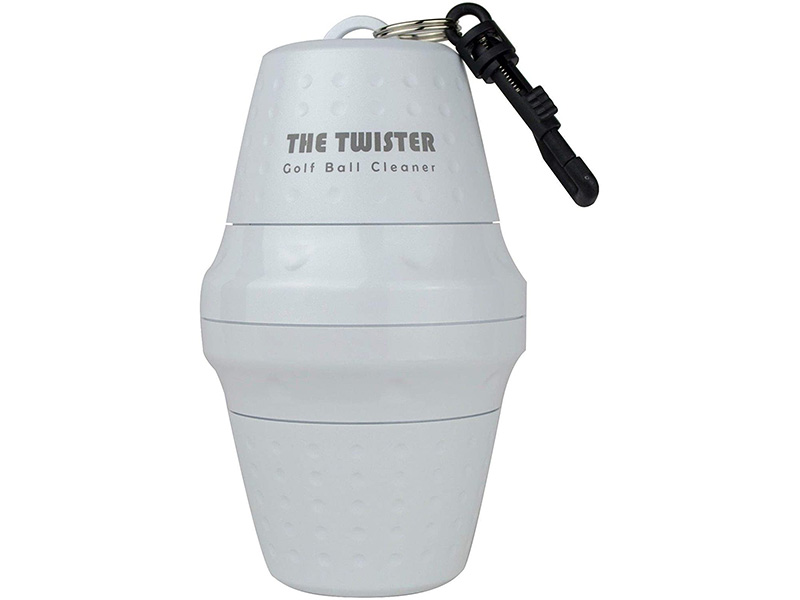
- The Twister – A portable golf ball cleaner with internal scrubbing bristles designed to clean golf balls during play.
Shark Tank S01E11 Highlights
- A gourmet chef introduces an all-natural seasoning blend that can be mixed with oil and vinegar to create homemade salad dressing.
- A company pitches patented 3D decorative attachments that allow riders to customize motorcycle helmets.
- An entrepreneur presents a printer ink cartridge refill business designed to reduce the high cost of replacement ink.
- A growing children’s activity franchise showcases gym, art, music, and play-based learning programs for young kids.
- A patented golf ball cleaning device demonstrates a portable solution for golfers to clean dirt and grass from golf balls during play.
Shark Tank S01E11 Episode Products Summary Table
The table below summarizes the key details from Shark Tank Season 1 Episode 11, including each company’s funding request, the final deal negotiated in the Tank, which Shark invested, and the current business status as of 2026.
| Company | Industry | Ask | Deal | Shark(s) | 2026 Status |
|---|---|---|---|---|---|
| Chef in Black | Gourmet food products | $50K for 10% | $50K for 35% | Barbara Corcoran | Limited visibility |
| Hell’s Bells Helmets | Motorcycle helmet accessories with patented 3D decorative designs | $500K for 20% | $500K for 50% | Daymond John | Discontinued |
| Ink Flip | Printer ink cartridge refill business | $150K for 20% | No Deal | — | Limited visibility |
| Romp and Roll | Children’s activity franchise | $300K for 8% | No Deal | — | Active franchise |
| The Twister | Golf ball cleaner with scrubbing bristles | $85K for 40% | No Deal | — | Limited visibility |
Two entrepreneurs appearing on Shark Tank Season 1 Episode 11 secured deals after negotiations with the Sharks, while the remaining founders left the Tank without investment.
Shark Tank Season 1 Episode 11 Snapshot
Season: 1
Episode: 11
Air Date: January 08, 2010
Sharks: Kevin Harrington, Kevin O’Leary, Barbara Corcoran, Robert Herjavec, Daymond John
Total Pitches: 5
Deals Made: 2
No-Deal Count: 3
Largest Investment: $500K (Hell’s Bells Helmets)
Shark Tank S01E11 Investment Totals & Financial Breakdown
Shark Tank Season 1 Episode 11 featured approximately $1.05 million in capital requests, with $550,000 invested by the Sharks on air.
Financial Aggregation
Total Capital Requested: $1.05M
Total Capital Invested: $550K
Total Capital Committed: $550K
Highest Equity Given: 50% (Hell’s Bells Helmets)
Highest Valuation Asked: $1M valuation (Ink Flip – $100K for 10%)
Lowest Valuation Asked: $500K valuation (Hell’s Bells Helmets – $500K for 20%)
Average Equity Asked: ~18%
Average Equity Given (Deals Closed): ~42.5%
Valuation Compression Analysis
Shark Tank Season 1 Episode 11 demonstrated how the Sharks often required entrepreneurs to give up significantly larger ownership stakes in order to secure investment during the early seasons of the show.
• Chef in Black, a gourmet salad dressing seasoning product, secured an investment from Barbara Corcoran. The founder increased equity from 10% to 35%, reflecting substantial valuation compression to close the deal.
• Hell’s Bells Helmets, a company that developed patented 3D helmet accessories for motorcycles and sports helmets, also accepted a major equity increase — from 20% to 50% — to secure a $500,000 investment from Daymond John.
• Ink Flip, a printing technology designed to transfer images onto apparel, faced skepticism from the Sharks regarding manufacturing scalability and commercial adoption.
• Romp and Roll, a children’s activity and learning center franchise, attracted interest but ultimately did not secure an investment during the episode.
• The Twister, a toy concept designed for children’s entertainment, struggled to convince the Sharks that it could gain strong traction in the competitive toy market.
Ultimately, two companies secured investments, highlighting how early Shark Tank entrepreneurs often had to sacrifice significant equity in order to obtain funding and mentorship.
Key Observations
- Food and culinary products attracted investor interest – Chef in Black introduced an all-natural seasoning blend designed to create fresh salad dressings.
- Motorcycle and sports accessories targeted niche markets – Hell’s Bells Helmets offered patented 3D helmet attachments for riders.
- Printing technology innovations appeared in the Tank – Ink Flip presented a method for transferring images onto clothing.
- Children’s activity franchises explored scalable business models – Romp and Roll focused on early childhood development through play-based learning centers.
- Toy concepts continued to appear on the show – The Twister introduced a spinning toy designed for children’s interactive play.
Shark Tank Air Date: 01/08/10 – Season 1 – Episode 11
Chef in Black, inc
| ASKED FOR | GOT | SHARK |
| $50,000 for 10% | $50,000 for 35% | Barbara Corcoran |
Entrepreneur: Dorene Humason
Product Overview
Chef in Black is a line of gourmet salad dressings made from a blend of all-natural spices and seasonings. The product was designed to offer consumers a simple way to create flavorful salad dressings by mixing the seasoning blend with oil and vinegar.
Founder Dorene Humason presented the product to the Sharks as a healthier alternative to many store-bought dressings that often contain preservatives and artificial ingredients. The seasoning blends were positioned as a convenient solution for home cooks who wanted fresh-tasting dressings without complicated preparation.
During the pitch, Dorene initially asked for $50,000 in exchange for 10% equity in the business. After negotiations, she agreed to give up 35% equity to Barbara Corcoran, securing a deal and gaining a strategic partner to help expand retail distribution.
At the time of the pitch, Chef in Black had already gained traction in retail and was available in over 1,300 stores, demonstrating strong early demand for the product.
Chef in Black – 2026 Update
As of 2026, Chef in Black is not widely visible as a major national food brand. Although the product gained exposure after appearing on Shark Tank and secured retail distribution in more than 1,300 stores at the time of the episode, the company does not appear to have expanded into a large-scale consumer brand and has limited public presence today.
Status: OUT OF BUSINESS
Hell’s Bells Helmets
| ASKED FOR | GOT | SHARK |
| $500,000 for 20% | $500,000 for 50% | Daymond John |
Entrepreneur: Marix Stone and Nancy Tanchel
Product Overview
Hell’s Bells Helmets is a helmet accessory company that developed a utility-patented system for attaching three-dimensional designs to motorcycle helmets and other sporting helmets. The decorative attachments allow riders to personalize their helmets with distinctive 3D shapes, giving them a unique appearance while maintaining helmet functionality.
The founders pitched the product as both a fashion accessory and branding opportunity for motorcycle riders and extreme sports enthusiasts. The helmet designs were intended to make riders more visible on the road while also allowing them to express their personality through customizable helmet decorations.
During their appearance on Shark Tank, Marix Stone and Dr. Nancy Tanchel revealed that the company had generated approximately $300,000 in sales during the previous year, demonstrating strong early market interest.
The entrepreneurs initially asked for $500,000 in exchange for 20% equity in the business. After negotiations, they reached a deal with Daymond John, who agreed to invest $500,000 for 50% equity in the company.
Hell’s Bells Helmets – 2026 Update
As of 2026, Hell’s Bells Helmets is not widely recognized as a major helmet accessory brand. While the company gained exposure after appearing on Shark Tank and secured an investment from Daymond John, the product did not develop into a dominant consumer brand and appears to have limited public visibility today.
Status: OUT OF BUSINESS
Ink Flip
| ASKED FOR | GOT | SHARK |
| $150,000 for 20% | NO DEAL | NO SHARK |
Entrepreneur: Andy Sperry
Product Overview
Discount Ink Cartridge Refills was a business focused on providing low-cost printer ink cartridge refilling services as an alternative to expensive brand-name replacement cartridges. The concept aimed to help consumers and businesses save money by refilling used cartridges rather than purchasing new ones.
Founder Andy Sperry pitched the company on Shark Tank Season 1 Episode 11, seeking $150,000 in exchange for a 20% stake in the business. At the time of the pitch, the company had generated approximately $10,000 in revenue during its first six months of operation.
While the concept targeted a large and growing printer supply market, the Sharks raised concerns about the limited sales traction and strong competition from established ink cartridge retailers and refill services.
As a result, Andy Sperry was unable to secure an investment, leaving the Tank without a deal.
Discount Ink Cartridge Refills – 2026 Update
As of 2026, Discount Ink Cartridge Refills does not appear to have developed into a widely recognized brand in the printer supply industry. The business gained exposure after appearing on Shark Tank but did not secure funding from the Sharks.
Where to Buy Oogiebear
Romp and Roll
| ASKED FOR | GOT | SHARK |
| $300,000 for 10% | NO DEAL | NO SHARK |
Entrepreneur: Michael Barnett and Babz Barnett
Product Overview
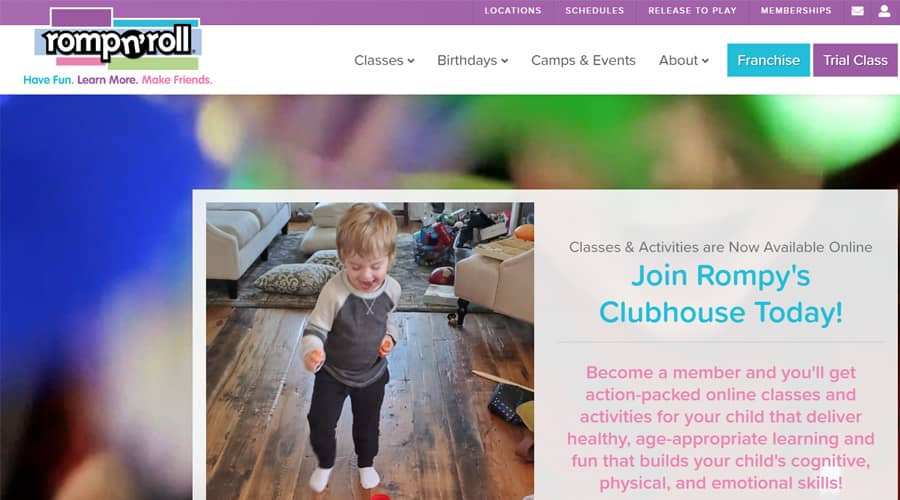
Romp and Roll is a chain of children’s play and learning centers that offer kids gym, art, music, and educational activity classes designed for young children. The centers focus on early childhood development through structured play, creative activities, and physical exercise.
At the time of their appearance on Shark Tank Season 1 Episode 11, Romp and Roll had already established 10 locations, including two corporate-owned centers, and had generated over $4 million in total sales during the previous five years.
Founders Michael and Babz Barnett pitched the business as a scalable franchise model, aiming to expand the concept nationwide by opening additional locations and licensing the brand to franchise owners.
Despite the company’s growth and existing locations, the Sharks expressed concerns about the complexity of scaling brick-and-mortar children’s activity centers and the operational challenges of franchising.
As a result, the founders left the Tank without securing an investment.
Romp and Roll – 2026 Update
As of 2026, Romp and Roll continues to operate as a children’s activity and learning center franchise, offering classes that combine physical play, music, art, and early childhood education programs.
Where to Buy Oogiebear
The Twister
| ASKED FOR | GOT | SHARK |
| $85,000 for 40% | NO DEAL | NO SHARK |
Entrepreneur: Alfonzo Dowe Sr.
Product Overview
The Custom Golf Ball Cleaner is a portable device designed to help golfers quickly clean dirt, grass, and debris from their golf balls during a round. The product features built-in scrubbing bristles inside the cleaning chamber, allowing golfers to insert the ball and rotate it to remove dirt without needing water or towels.
Inventor Alfonzo Dowe Sr. presented the product on Shark Tank, emphasizing that it was the only patented golf ball cleaner with integrated scrubbing bristles. The device was designed to be easy to use, convenient to carry on the golf course, and packaged in a distinctive green box for retail presentation.
Dowe entered the Tank seeking $85,000 in exchange for a 40% equity stake in the business. Despite demonstrating the product’s functionality and patent protection, the Sharks raised concerns about market size, distribution potential, and overall scalability.
As a result, the entrepreneur left the Tank without securing an investment.
Custom Golf Ball Cleaner – 2026 Update
As of 2026, the Custom Golf Ball Cleaner is not widely recognized as a major golf accessory brand. Although the product gained exposure after appearing on Shark Tank, it did not expand into a large-scale commercial product line.
Where to Buy Oogiebear
More from Shark Tank
Recommended
Watch full episodes of shark tank online with Amazon Video
Industry Breakdown – Shark Tank S01E11
Food & Seasoning Products: 1
Motorcycle Helmet Accessories: 1
Printer Ink / Office Supplies: 1
Children’s Activity Centers: 1
Golf Accessories: 1
Compared to many other Shark Tank Season 1 episodes, Episode 11 leaned toward:
- Consumer products designed for specific hobby or lifestyle markets
- Custom motorcycle helmet accessories targeting rider personalization
- Printer ink cartridge refill services targeting cost-conscious consumers and businesses
- Children’s educational play centers focused on early childhood activity and development
- Golf accessories designed for recreational and amateur golfers
Did the Deals Close After Filming?
As with all Shark Tank deals, agreements made on television are subject to due diligence after filming.
As of 2026:
• Chef in Black expanded distribution significantly after appearing on Shark Tank. The seasoning and dressing mix product grew to reach over 1,300 retail stores and remains known as a niche food seasoning brand.
• Hell’s Bells Helmets, which introduced patented 3D motorcycle helmet designs, gained exposure after the show. However, the product has had limited visibility in recent years compared with larger helmet brands.
• Ink Flip, a printer ink refill business pitched by Andy Sperry, did not secure a deal in the Tank and did not grow into a major office supply brand.
• Romp and Roll, a chain of children’s play and learning centers offering gym, music, and art classes, continued operating as a franchise-based early childhood activity center.
• The Twister, a custom golf ball cleaner with built-in scrubbing bristles, did not gain widespread adoption in the golf accessory market.
There is no widely reported public evidence suggesting that the on-air deals for Chef in Black or Hell’s Bells Helmets fell through after filming.
Best Deal of Shark Tank Season 1 Episode 11 (S01E11)
Hell’s Bells Helmets stands out as the largest deal from this episode due to several factors:
• A patented helmet design allowing unique 3D graphics and styling
• Strong interest from motorcycle enthusiasts and custom gear collectors
• Demonstrated sales prior to appearing on the show
• A $500,000 investment from Daymond John, the largest deal of the episode
However, Chef in Black also demonstrated strong retail potential because food seasoning products often benefit from repeat purchases and grocery store distribution.
🦈 Shark Strategy Patterns in This S01E11 Episode
Barbara Corcoran invested in Chef in Black after seeing potential for growth in the packaged food and seasoning market.
Robert Herjavec evaluated the products but did not close a deal during this episode.
Kevin O’Leary remained cautious and focused heavily on sales traction and profit margins before considering investment.
Daymond John invested in Hell’s Bells Helmets, recognizing the strong branding and customization appeal within the motorcycle community.
Kevin Harrington focused on distribution potential and retail scalability when analyzing the pitches.
This episode highlights how the Sharks often favored products with clear niche markets and strong branding potential.
Why Shark Tank Season 1 Episode 11 Stands Out
This episode is notable because it featured:
• A seasoning blend that could be transformed into salad dressing or marinade
• A patented system for adding 3D designs to motorcycle helmets
• A printer ink refill business attempting to reduce office printing costs
• A growing chain of children’s play and learning centers
• A patented golf ball cleaning tool designed for golfers
Season 1 episodes frequently showcased creative but experimental startup ideas, reflecting the early years of the show when entrepreneurs were still exploring new consumer product categories.
Companies From Shark Tank Season 1 Episode 11 – Where Are They Now?
Entrepreneurs appearing on Shark Tank Season 1 Episode 11 introduced a variety of consumer products and service businesses ranging from food products to sports accessories and children’s activity centers.
While two companies secured deals in the Tank, several of the businesses struggled to scale after their television appearance.
Below is a quick 2026 update on the companies featured in this episode and what happened to them after Shark Tank.
Chef in Black – Where Are They Now?
Chef in Black is a seasoning blend created by Dorene Humason that can be used as a spice mix or combined with oil and vinegar to create a salad dressing.
Barbara Corcoran invested $50,000 for 35% equity in the company during the episode.
After appearing on Shark Tank, the product expanded its retail presence and eventually reached over 1,300 stores.
As of 2026, Chef in Black remains known as a niche seasoning and dressing product.
Hell’s Bells Helmets – Where Are They Now?
Hell’s Bells Helmets introduced a patented method that allows three-dimensional designs to be attached to motorcycle helmets.
Founders Marix Stone and Dr. Nancy Tanchel secured a $500,000 investment from Daymond John for 50% equity.
Although the product generated attention after appearing on Shark Tank, the brand has had limited visibility in recent years compared with major helmet manufacturers.
Ink Flip – Where Are They Now?
Ink Flip was a printer ink cartridge refill business pitched by entrepreneur Andy Sperry.
The company aimed to provide lower-cost alternatives to expensive printer cartridges, targeting consumers and businesses looking to reduce printing costs.
The Sharks raised concerns about competition and limited sales traction, and the founder left the Tank without securing a deal.
As of 2026, the brand does not appear to have grown into a large office supply company.
Romp and Roll – Where Are They Now?
Romp and Roll is a chain of children’s activity centers offering gym, art, music, and learning classes for young children.
At the time of the pitch, the company had already opened 10 locations and generated over $4 million in revenue over five years.
Despite this traction, the Sharks declined to invest due to concerns about scaling brick-and-mortar franchises.
As of 2026, Romp and Roll continues operating as a children’s activity center franchise.
The Twister – Where Are They Now?
The Twister is a custom golf ball cleaner invented by Alfonzo Dowe Sr.
The device features built-in scrubbing bristles inside a portable cleaning chamber, allowing golfers to quickly clean dirt and grass from golf balls during play.
Despite holding a patent and presenting a working prototype, the Sharks declined to invest due to concerns about market demand and scalability.
As of 2026, the product has limited visibility in the golf accessory market.
Final Thoughts on Shark Tank Season 1 Episode 11 (S01E11)
Shark Tank Season 1 Episode 11 highlights how investors evaluate both market demand and scalability when deciding whether to invest.
While some concepts demonstrated creative product design and niche appeal, the Sharks ultimately focused on businesses with clear growth potential and strong distribution opportunities.
The episode also reflects the early years of Shark Tank, when entrepreneurs often had to give up larger equity stakes to secure investment from the Sharks.
Explore More Shark Tank Guides
• Shark Tank Season 1 Episode 10 Recap
• Shark Tank Season 1 Episode 12 Recap
• Shark Tank Season 1 – Full Episode Guide
• Best Deals of Shark Tank Season 1
Frequently Asked Questions About Shark Tank Season 1 Episode 11
When did Shark Tank Season 1 Episode 11 (S01E11) air?
Shark Tank Season 1 Episode 11 originally aired on January 08, 2010, on ABC.
What companies appeared on Shark Tank Season 1 Episode 11?
S01E11?
Five companies appeared in this episode:
• Chef in Black – A seasoning blend that can also be turned into a salad dressing or marinade.
• Hell’s Bells Helmets – A patented system that allows 3D decorative designs to be attached to motorcycle helmets.
• Ink Flip – A printer ink cartridge refill business designed to reduce printing costs for consumers and businesses.
• Romp and Roll – A chain of children’s play and learning centers offering gym, music, and art classes.
• The Twister – A patented golf ball cleaner with internal scrubbing bristles.
Who got a deal in Shark Tank Season 1 Episode 11?
Two companies secured deals with the Sharks:
• Chef in Black – Received $50,000 for 35% equity from Barbara Corcoran.
• Hell’s Bells Helmets – Received $500,000 for 50% equity from Daymond John.
How much total money was invested in Shark Tank S01E11?
Approximately $550,000 was invested during Shark Tank Season 1 Episode 11.
Which company received the largest investment?
The largest deal in the episode was $500,000 for 50% equity in Hell’s Bells Helmets, secured from Daymond John.
Did any companies leave without a deal in Shark Tank Season 1 Episode 11?
Yes. Three companies left the Tank without securing an investment:
• Ink Flip
• Romp and Roll
• The Twister
The Sharks raised concerns about scalability, competition, and long-term market demand for these businesses.es.
What industries were represented in S01E11?
Episode 11 featured businesses across several industries:
• Food seasoning and dressing products
• Motorcycle helmet accessories and protective gear
• Printer ink cartridge refill services
• Children’s educational activity centers
• Golf accessories and sporting goods
Is Chef in Black still in business in 2026?
Chef in Black gained exposure after appearing on Shark Tank and expanded its distribution significantly. The seasoning product has been sold in over 1,300 retail stores, although it remains a niche food brand.
What happened to Hell’s Bells Helmets after Shark Tank?
Hell’s Bells Helmets gained attention for its patented system that allows decorative 3D designs to be added to motorcycle helmets. While the brand attracted interest after the show, it has had limited visibility in recent years compared with major helmet manufacturers.
Is Romp and Roll still operating in 2026?
Yes. Romp and Roll continues to operate as a franchise-based children’s activity center, offering gym, music, and art classes designed for early childhood development.
What happened to Ink Flip after Shark Tank?
Ink Flip did not secure a deal in the Tank and faced strong competition from established printer cartridge brands and refill services. The company did not grow into a major office supply brand after appearing on the show.
Is The Twister golf ball cleaner still available today?
The Twister, a patented golf ball cleaning device pitched on the show, did not gain widespread adoption in the golf accessory market and has had limited visibility in recent years.
