

Shark Tank season 1 episode 7 (often referred to as S01E07) originally aired on September 29, 2009, on ABC, In this episode, four entrepreneurs entered the Tank to pitch their business ideas to the Sharks in hopes of securing investment.
The companies featured a mix of consumer products, children’s toys, fitness concepts, and entertainment ventures, including the now well-known grilling accessory Grill Charms.
As always, the Sharks challenge each entrepreneur with tough questions about market demand, production costs, profit margins, and long-term scalability. Some entrepreneurs succeed in generating interest from the investors, while others leave the Tank without securing a deal.
If you’re looking for a complete recap of Shark Tank Season 1 Episode 7, including the entrepreneurs, deals made in the Tank, and a breakdown of each product featured in the episode, you’ll find everything you need below in this detailed guide.
Looking for more from this season? Browse the complete Shark Tank Season 1 episode guide for a full breakdown of every pitch and investment. For a ranked look at the biggest deals and most successful companies, explore the Best of Shark Tank Season 1 – Top Deals, Biggest Investments & Most Successful Companies.
About Shark Tank Season 1
Executive producer Mark Burnett and Sony Pictures Television return with another exciting season of Shark Tank, the hit business reality show where entrepreneurs pitch their ideas to a panel of wealthy investors known as the “Sharks.” Contestants must convince the Sharks that their businesses are worth investing in, often leading to intense negotiations and high-stakes deals.
The show is based on the international format Dragons’ Den, which originally launched in Japan and later became a global franchise. Over the years, Shark Tank has helped launch hundreds of companies while giving viewers a behind-the-scenes look at how real investment decisions are made.
Browse All Shark Tank Season 1 Episodes
Each recap includes the entrepreneurs, deals made in the Tank, and 2026 business updates.
Shark Tank Season 1 Episode Guide
Explore every pitch, deal, and business update from the first season of Shark Tank.
Disclosure: As an Amazon Associate, we earn from qualifying purchases. This helps support the site at no additional cost to you.
Sharks in Shark Tank Season 1
The main Sharks appearing during Shark Tank Season 1 Episode 7 included:
Season 1 Episode 7 in depth
In season 1 Kevin Harrington, Kevin O’Leary, Barbara Corcoran, Robert Herjavec, and Daymond John appear as the sharks in every episode.
In this season 1 episode 7, there is no guest judge.
[inhype_block type=”postsgrid4″ block_title=”You may also like” block_subtitle=”Shark Tank Season 8″ block_posts_type=”latest” block_categories=”” block_posts_limit=”3″ block_posts_loadmore=”no” block_posts_offset=”0″]
I don’t care if you wear goatskin. I wanna know if you’re making any money.
Kevin O’Leary
We listed below every entrepreneur and business who has appeared on Shark Tank Season 1 Episode 7. Many scammers claim they’ve received big investments from the Sharks or they have been on the show. If you don’t see a business on this list, they haven’t been actually on Shark Tank. Some of the top places you can use to check are on Wikipedia and also ABC’s episode guide.
What Happened in Shark Tank Season 1 Episode 7?
Shark Tank Season 1 Episode 7 featured four entrepreneurs pitching a mix of consumer products and food-related businesses to the Sharks.
The businesses ranged from a decorative grilling accessory designed to help identify steaks on the barbecue to an allergen-friendly modeling dough for children, a portable dance fitness system, and a children’s entertainment company focused on themed party experiences.
Unlike some later episodes where multiple deals are made, this episode resulted in only one investment, as the Sharks carefully evaluated product demand, scalability, and retail potential before committing capital.
Businesses Featured on Shark Tank S01E07
Here is the complete list of companies that appeared on Shark Tank Season 1 Episode 7:
List with all the appearances in Season 1 Episode 7:
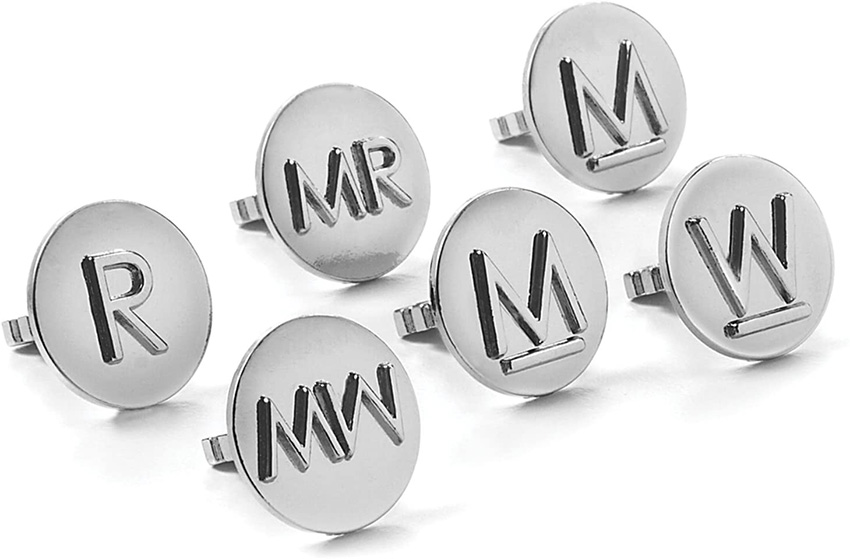
- Grill Charms – Decorative stainless-steel markers placed on steaks while grilling to identify different cooking levels such as rare, medium, or well done.
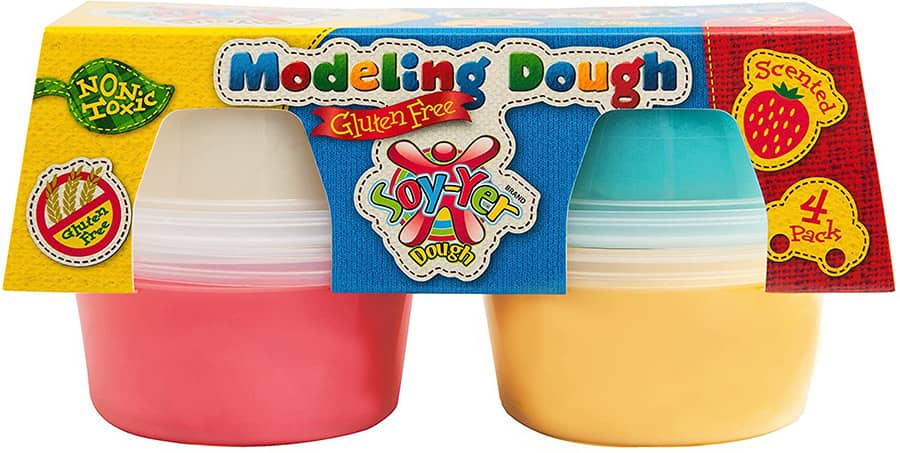
- Soy-Yer-Dough – An allergen-friendly modeling dough alternative designed for children with food allergies.
- Boogie Box Fitness – A portable dance fitness system designed to help users exercise through music-driven workouts using a custom audio device.
- Funhouse – A children’s entertainment company focused on themed play environments and party services designed for kids’ events and family entertainment.
Shark Tank S01E07 Highlights
• Grill Charms impresses the Sharks with a simple product designed to solve a common grilling problem
• Soy-Yer-Dough introduces an allergen-friendly modeling dough designed for children with food allergies.
• Boogie Box Fitness demonstrates a portable music-driven workout concept
• Funhouse pitches a children’s entertainment concept focused on themed party experiences
• Only one of the four businesses successfully secures an investment from the Sharks
Shark Tank S01E07 Episode Products Summary Table
The table below summarizes the key details from Shark Tank Season 1 Episode 7, including each company’s funding request, the final deal negotiated in the Tank, which Shark invested, and the current business status as of 2026.
| Company | Industry | Ask | Deal | Shark(s) | 2026 Status |
|---|---|---|---|---|---|
| Grill Charms | Grilling accessories | $50K for 25% | $50K for 25% | Barbara Corcoran | Active product brand |
| Soy-Yer-Dough | Children’s Toy / Craft Product | $100K for 20% | No Deal | — | Limited visibility |
| Boogie Box Fitness | Fitness equipment | $150K for 20% | No Deal | — | Limited visibility |
| Funhouse | Children’s entertainment | $300K for 25% | No Deal | — | Limited visibility |
Only one entrepreneur appearing on Shark Tank Season 1 Episode 7 secured a deal, while the remaining founders left the Tank without investment.
Shark Tank Season 1 Episode 7 Snapshot
Season: 1
Episode: 7
Air Date: September 29, 2009
Sharks: Kevin Harrington, Kevin O’Leary, Barbara Corcoran, Robert Herjavec, Daymond John
Total Pitches: 4
Deals Made: 1
No-Deal Count: 3
Largest Equity Deal: 25% (Grill Charms)
Largest Investment: $50K (Grill Charms)
Shark Tank S01E07 Investment Totals & Financial Breakdown
Shark Tank Season 1 Episode 7 featured approximately $600,000 in capital requests, with $50,000 invested by the Sharks on air.
Financial Aggregation
Total Capital Requested: $600K
Total Capital Invested: $50K
Total Capital Committed: $50K
Highest Equity Given: 25% (Grill Charms)
Highest Valuation Asked: $1.2M valuation (Funhouse – $300K for 25%)
Lowest Valuation Asked: $200K valuation (Grill Charms – $50K for 25%)
Average Equity Asked: ~22%
Average Equity Given (Deals Closed): 25%
Valuation Compression Analysis
Shark Tank Season 1 Episode 7 highlights the negotiation dynamics of the early Shark Tank seasons, where investors carefully evaluated product demand and retail scalability before committing capital.
• Grill Charms successfully secured an investment from Robert Herjavec without giving up additional equity beyond the original ask, demonstrating how simple consumer products with clear market appeal could attract investor interest.
• Soy-Yer-Dough, an allergen-friendly modeling dough designed for children with food allergies, but the Sharks questioned whether the niche market was large enough to support long-term growth, ultimately leaving the Tank without a deal.
• Boogie Box Fitness, a portable music-driven workout system, struggled to convince the Sharks that the product could scale into a large fitness brand.
• Funhouse, a children’s entertainment and party concept, generated interest but raised concerns about scalability and long-term growth potential.
Overall, the negotiations in Episode 7 demonstrate how the Sharks often favored simple consumer products with clear retail opportunities over early-stage concepts requiring significant market development.
Key Observations
- Grilling accessories target everyday consumer problems – Grill Charms introduced a simple solution for identifying steaks on the grill.
- Children’s craft products target specialized markets – Soy-Yer-Dough introduced an allergen-friendly modeling dough designed for children with food allergies.
- Fitness concepts must demonstrate scalability – Boogie Box Fitness presented a music-based workout concept but struggled to convince investors it could become a large fitness brand.
- Service-based entertainment concepts require strong expansion plans – Funhouse attempted to build a business around children’s themed party experiences.
Shark Tank Air Date: 09/29/09 – Season 1 – Episode 7
Grill Charms
| ASKED FOR | GOT | SHARK |
| $50,000 for 25% | $50,000 for 25% | Barbara Corcoran |
Entrepreneurs: Leslie Haywood
Product Overview
Grill Charms are stainless-steel food markers designed to help identify different foods on the grill. Each charm is inserted directly into meat or other foods before grilling, allowing cooks to easily distinguish between items such as rare, medium, or well-done steaks.
The charms feature serrated stems that help them stay securely in place while grilling, flipping, or moving food on the barbecue. Made from durable stainless steel, Grill Charms are designed to withstand high temperatures and remain safe for use with a variety of foods including chicken, steak, fish, and pork.
A standard set typically includes six reusable grill markers, allowing grill masters to quickly identify different cuts of meat or cooking preferences during backyard barbecues.
The product was created by Leslie Haywood, who came up with the idea after her husband accidentally gave her the spicy piece of chicken during a barbecue. The simple solution to that everyday grilling problem eventually became a successful consumer product and later appeared on Shark Tank in Season 1.
Grill Charms are commonly sold online and through kitchen retailers, with many sets priced around $25–$30 depending on the design and packaging.
Grill Charms – 2026 Update
As of 2026, Grill Charms continues to be available online, particularly through ecommerce marketplaces such as Amazon, where various sets of the grilling markers are still sold. The product remains known as one of the more successful consumer products introduced during the early seasons of Shark Tank.
Although the company has remained a relatively small niche brand, Grill Charms demonstrates how a simple product solving an everyday problem can achieve long-term sales through retail and ecommerce channels after appearing on Shark Tank.
Status (2026): Active product brand with continued online sales.
Where to Buy Grill Charms
Soy-Yer-Dough
| ASKED FOR | GOT | SHARK |
| $125,000 for 25% | NO DEAL | NO SHARK |
Entrepreneurs: Sawyer Sparks
Product Overview
Soy-Yer-Dough is a non-toxic modeling dough designed as a safer alternative to traditional children’s play dough, particularly for kids with food allergies. The dough is gluten-free and peanut-free, making it a popular option for families seeking allergen-friendly craft materials.
The product is made in small batches in Indiana and is designed to be safe for both children and adults to handle. Unlike traditional modeling clay, Soy-Yer-Dough uses a soy-based formula that provides a unique texture and aroma.
The dough is available in a variety of scented colors and “flavors,” including coconut, strawberry, grape, blueberry, and other fruity varieties, giving it a playful sensory experience for children during creative play.
Soy-Yer-Dough is marketed as being free from many common allergens, including:
- Peanuts
- Wheat
- Dairy
- Tree nuts
- Eggs
- Fish
- Shellfish
The product gained additional recognition after appearing on Shark Tank, where founder Sawyer Sparks pitched the business to the Sharks.
Sparks originally created the dough at just twenty-two years old in his mother’s kitchen, developing the product as an allergen-friendly alternative to traditional play dough. During his appearance on the show, he sought investment to help expand production and distribution of the product.
Soy-Yer-Dough later received media attention and was even included on Forbes lists highlighting memorable toys and products featured on Shark Tank.
Soy-Yer-Dough – 2026 Update
As of 2026, Soy-Yer-Dough does not appear to maintain a significant commercial presence in the children’s toy market, and the original product is no longer widely available through major retailers.
While the brand did not grow into a major toy company, Soy-Yer-Dough remains remembered by fans of Shark Tank as an early example of a niche product designed to address allergy concerns for children.
Status (2026): Appears inactive or no longer widely available.
Where to Buy Soy-Yer-Dough
Boogie Box Fitness
| ASKED FOR | GOT | SHARK |
| $150,000 for 20% | NO DEAL | NO SHARK |
Entrepreneurs: Kathy Lamm and Debbie Parra
Product Overview
Boogie Box Fitness is a home workout program that combines dance routines with fitness training, allowing people to exercise while following energetic dance-based movements set to music.
The concept was created by Ebony Johnson, who designed the program to make exercise more engaging and enjoyable compared to traditional gym workouts. Instead of repetitive fitness routines, Boogie Box Fitness focuses on high-energy dance choreography that helps participants burn calories while having fun.
The program was pitched on Shark Tank during Season 1 Episode 7, where the founder sought investment from the Sharks to expand the brand and distribute the fitness program to a larger audience.
At the time of the pitch, the business aimed to sell DVD-based workout programs and fitness classes, targeting consumers looking for entertaining alternatives to conventional exercise programs.
Dance-based fitness programs like Boogie Box Fitness became increasingly popular in the late 2000s as consumers looked for workouts that combined music, movement, and cardio exercise in a fun and accessible format.
Boogie Box Fitness – 2026 Update
After appearing on Shark Tank, Boogie Box Fitness gained brief national exposure. However, the company did not secure an investment deal from the Sharks during the episode.
While dance-based fitness programs continued to grow in popularity through brands like Zumba, Boogie Box Fitness did not expand into a major fitness franchise or widely recognized workout brand.
As of 2026, Boogie Box Fitness does not appear to maintain a significant commercial presence in the fitness industry, and the original DVD-based workout program is no longer widely available through major retailers or fitness platforms.
Despite this, the concept remains remembered by Shark Tank viewers as one of the early dance-fitness programs pitched on the show, highlighting the growing demand for fun, music-driven workout routines.
Status (2026): Appears inactive or no longer widely available.
Status: OUT OF BUSINESS
Funhouse
| ASKED FOR | GOT | SHARK |
| $300,000 for 25% | NO DEAL | NO SHARK |
Entrepreneurs: Todd Robbins and David Adamovich
Product Overview
FunHouse was an entertainment venue concept pitched on Shark Tank by Todd Robbins and David Adamovich.
The founders proposed creating a unique entertainment attraction in Times Square, designed to bring together a wide variety of live performers under one roof. The venue would feature magicians, knife throwers, comedians, variety performers, and other entertainers performing throughout the space to create a lively and interactive experience for visitors.
The goal of FunHouse was to provide family-friendly entertainment in the heart of New York City while giving performers a permanent stage to showcase unusual talents and acts. By combining different forms of live entertainment in one venue, the founders hoped to attract tourists and locals looking for something different from traditional Broadway shows.
During their appearance on Shark Tank, Robbins and Adamovich sought investment from the Sharks to help finance the development of the venue and secure a location in Times Square.
However, the Sharks expressed concerns about high operating costs, location expenses, and the scalability of the concept. As a result, the entrepreneurs did not receive any investment offers and left the Tank without a deal.
FunHouse – 2026 Update
After appearing on Shark Tank, the FunHouse concept did not develop into a major permanent attraction in Times Square.
Both founders continued working in the live entertainment industry. Todd Robbins remained active as a magician, sideshow performer, and variety show producer, while David Adamovich continued performing internationally as a professional knife-throwing entertainer.
As of 2026, the original FunHouse venue concept does not appear to have been developed into a large-scale entertainment attraction.
Status (2026): The FunHouse venue concept was not launched, but the founders remain active performers in the entertainment industry.
Status: OUT OF BUSINESS
[inhype_block type=”showcase4″ block_title=”More from Shark Tank” block_subtitle=”Recommended” block_posts_type=”random” block_categories=”” block_posts_limit=”4″ block_posts_loadmore=”no” block_posts_offset=”0″]
Watch full episodes of shark tank online with Amazon Video
Industry Breakdown – Shark Tank S01E07
• Cooking Accessories & Kitchen Gadgets: 1 (Grill Charms)
• Children’s Toys / Modeling Dough: 1 (Soy-Yer-Dough)
• Fitness & Dance Workout Programs: 1 (Boogie Box Fitness)
• Live Entertainment & Venue Concepts: 1 (FunHouse)
Compared to many other Shark Tank Season 1 episodes, Episode 7 leaned toward:
- Consumer products designed for everyday household use
- Children’s products focused on safe and creative play
- Fitness programs combining exercise with dance and music
- Entertainment concepts centered around live performances and attractions
- Founder-driven startups attempting to bring creative niche ideas to market
Did the Deals Close After Filming?
As with all Shark Tank deals, agreements made on television are subject to due diligence after filming.
As of 2026:
• Grill Charms, stainless steel food markers designed to identify steaks and other grilled foods, successfully secured an investment from Barbara Corcoran. The product later gained strong retail distribution and remains one of the more recognizable cooking accessories featured on Shark Tank.
• Soy-Yer-Dough, a soy-based modeling dough created as an allergen-friendly alternative to traditional play dough, generated interest during the pitch but did not secure an investment. The product received media attention after the show but did not grow into a major toy brand.
• Boogie Box Fitness, a dance-based workout program designed to combine fitness with music and choreography, did not receive an investment offer from the Sharks and did not expand into a major fitness franchise.
• FunHouse, an entertainment venue concept proposed for Times Square featuring live performers such as magicians and knife-throwers, did not receive funding from the Sharks due to concerns about operating costs and scalability.
There is no widely reported public evidence suggesting that the on-air investment deal for Grill Charms fell through after filming.
Best Deal of Shark Tank Season 1 Episode 7 (S01E07)
Grill Charms stands out as the strongest deal from this episode for several reasons:
• A simple kitchen accessory solving a common problem when grilling food
• Easy product demonstration with immediate practical value
• Strong potential for retail distribution in cooking stores and online marketplaces
• Clear consumer demand among home grill enthusiasts
• Investment backing from Barbara Corcoran
🦈 Shark Strategy Patterns in This S01E12 Episode
Barbara Corcoran invested in Grill Charms after recognizing the product’s potential as a simple consumer kitchen accessory.
Robert Herjavec focused on distribution strategy and the retail potential of the products.
Kevin O’Leary focused heavily on profitability, product margins, and the long-term scalability of the businesses.
Daymond John evaluated the consumer products but ultimately chose not to close a deal during this episode.
Kevin Harrington focused on distribution strategy and the retail potential of the products.
This episode demonstrates how the Sharks often favored simple consumer products with clear use cases over more experimental service or entertainment concepts.
Why Shark Tank Season 1 Episode 7 Stands Out
This episode is notable because it featured:
• A kitchen grilling accessory designed to identify different steaks and foods on the grill
• A soy-based modeling dough created as an allergen-friendly alternative for children
• A dance-based fitness program combining exercise and choreography
• A Times Square entertainment venue concept featuring live performers
Season 1 episodes frequently showcased creative startup ideas across multiple industries, reflecting the experimental nature of the show’s early years.
Companies From Shark Tank Season 1 Episode 7 – Where Are They Now?
Entrepreneurs appearing on Shark Tank Season 1 Episode 7 introduced a mix of consumer products, children’s toys, fitness programs, and entertainment concepts.
While one company secured a deal in the Tank, several of the businesses struggled to scale after their television appearance.
Below is a quick 2026 update on the companies featured in this episode and what happened to them after Shark Tank.
Grill Charms – Where Are They Now?
Grill Charms, stainless steel food markers designed to identify different cuts of meat on the grill, secured an investment from Barbara Corcoran during the episode.
The product allows grillers to insert small metal charms into steaks, chicken, fish, or other foods so guests can easily identify which item belongs to them while grilling.
After appearing on Shark Tank, the brand gained significant exposure and expanded into retail stores and online marketplaces.
As of 2026, Grill Charms remains known as a practical grilling accessory and continues to be sold through online retailers and cooking supply stores.
Soy-Yer-Dough – Where Are They Now?
Soy-Yer-Dough was a soy-based modeling dough designed as an allergen-friendly alternative to traditional play dough.
Created by Sawyer Sparks, the product was developed to provide children with food allergies a safer option for creative play.
Although the concept attracted attention during the pitch, the Sharks ultimately declined to invest in the business.
As of 2026, Soy-Yer-Dough does not appear to have developed into a widely distributed toy brand and has limited visibility in the children’s toy market.
Boogie Box Fitness – Where Are They Now?
Boogie Box Fitness was a dance-based fitness program that combined choreographed dance routines with cardio workouts.
Founder Ebony Johnson created the program to make exercising more fun and engaging by blending music, dance, and fitness.
Despite the creative concept, the Sharks did not make an investment offer during the episode.
As of 2026, Boogie Box Fitness does not appear to operate as a major fitness brand, and the original DVD workout program is no longer widely available.
FunHouse – Where Are They Now?
FunHouse was an entertainment venue concept proposed by Todd Robbins and David Adamovich.
The founders planned to create a live entertainment attraction in Times Square, featuring magicians, comedians, knife-throwers, and other performers.
However, the Sharks were concerned about the high costs and risks associated with launching a large entertainment venue.
As a result, the entrepreneurs left the Tank without securing an investment.
As of 2026, the FunHouse venue concept does not appear to have been developed into a permanent attraction, although both founders remain active performers in the entertainment industry.
Final Thoughts on Shark Tank Season 1 Episode 7 (S01E07)
Shark Tank Season 1 Episode 7 demonstrates how investors evaluate both product practicality and business scalability before making investment decisions.
While several creative ideas were presented, the Sharks ultimately focused on businesses with clear consumer demand and scalable business models.
The episode also reflects the early years of Shark Tank, when many entrepreneurs were pitching experimental concepts while seeking guidance and capital from experienced investors.
Explore More Shark Tank Guides
• Shark Tank Season 1 Episode 6 Recap
• Shark Tank Season 1 Episode 8 Recap
• Shark Tank Season 1 – Full Episode Guide
• Best Deals of Shark Tank Season 1
Frequently Asked Questions About Shark Tank Season 1 Episode 7
When did Shark Tank Season 1 Episode 7 (S01E07) air?
**Shark Tank Season 1 Episode 7 originally aired on September 29, 2009, on ABC.
What companies appeared on Shark Tank Season 1 Episode 7?
S01E07?
Four companies were featured in this episode:
• Grill Charms – Stainless steel charms used to mark steaks and other foods while grilling.
• Soy-Yer-Dough – A soy-based modeling dough designed as an allergen-friendly alternative to traditional play dough.
• Boogie Box Fitness – A dance-based workout program combining choreographed dance routines with fitness training.
• FunHouse – A proposed entertainment venue concept featuring live performers in Times Square.
Who got a deal in Shark Tank Season 1 Episode 7?
Only Grill Charms secured an investment deal during the episode.
How much total money was invested in Shark Tank S01E07?
Approximately $50,000 was invested, which went to Grill Charms.
Which company received the largest investment?
Grill Charms received the largest and only investment in the episode.
Which Shark invested in Grill Charms?
Barbara Corcoran invested in Grill Charms after seeing strong potential in the product’s simplicity and retail appeal.
What industries were represented in S01E07?
The episode featured businesses from several industries:
• Kitchen accessories and cooking products
• Children’s toys and educational products
• Fitness and dance workout programs
• Live entertainment and venue concepts
Did all deals close after filming?
As with all deals made on Shark Tank, agreements are subject to due diligence after filming.
There is no widely reported evidence suggesting the Grill Charms deal fell through after the episode aired.
What happened to Grill Charms after Shark Tank?
Grill Charms gained strong exposure after appearing on Shark Tank and expanded distribution through online retailers and cooking supply stores. The product continues to be available as a grilling accessory.
Is Soy-Yer-Dough still in business in 2026?
Soy-Yer-Dough received attention after appearing on the show but did not grow into a major toy brand. As of 2026, the product has limited visibility in the children’s toy market.
What happened to Boogie Box Fitness after Shark Tank?
Boogie Box Fitness did not secure an investment from the Sharks and did not develop into a major fitness brand. The original dance-based workout program is no longer widely available.
What happened to the FunHouse concept after Shark Tank?
The FunHouse project proposed creating a live entertainment venue in Times Square. The Sharks declined to invest due to concerns about costs and scalability, and the venue was never developed.
How many pitches were featured in Shark Tank Season 1 Episode 7?
Season 1 Episode 7 featured four entrepreneur pitches competing for investment from the Sharks.
What made Shark Tank Season 1 Episode 7 unique?
This episode featured a diverse mix of consumer products and entertainment concepts, including a grilling accessory that became a successful retail product and a proposed Times Square entertainment venue that highlighted the risks of large-scale startup ideas.
